
Mammoplasty
Breast surgery (mammoplasty) is a group of plastic operations that change the shape, size, and symmetry of the breasts. It includes breast augmentation with implants (round, anatomical, or bio-implants), a breast lift with or without implants, breast reduction (reduction mammoplasty), nipple correction and areola reduction, as well as treatment of gynecomastia in men. The operation helps with small breast volume, marked asymmetry, ptosis after childbirth and breastfeeding, and with excessively large breasts causing back pain.
The surgical approach is chosen based on the goal and anatomy: the periareolar approach (around the areola) is minimally traumatic and recommended for women who have given birth; the inframammary approach (in the fold under the breast) is considered the safest, with the scar hidden by the natural fold; the transaxillary approach leaves no incisions on the breast itself, but places higher demands on the surgeon's skill and equipment.
The price starts from 450,000 ₸ (gynecomastia, nipple correction). The exact cost, duration of the operation, and type of anesthesia are determined at an in-person consultation after examination.
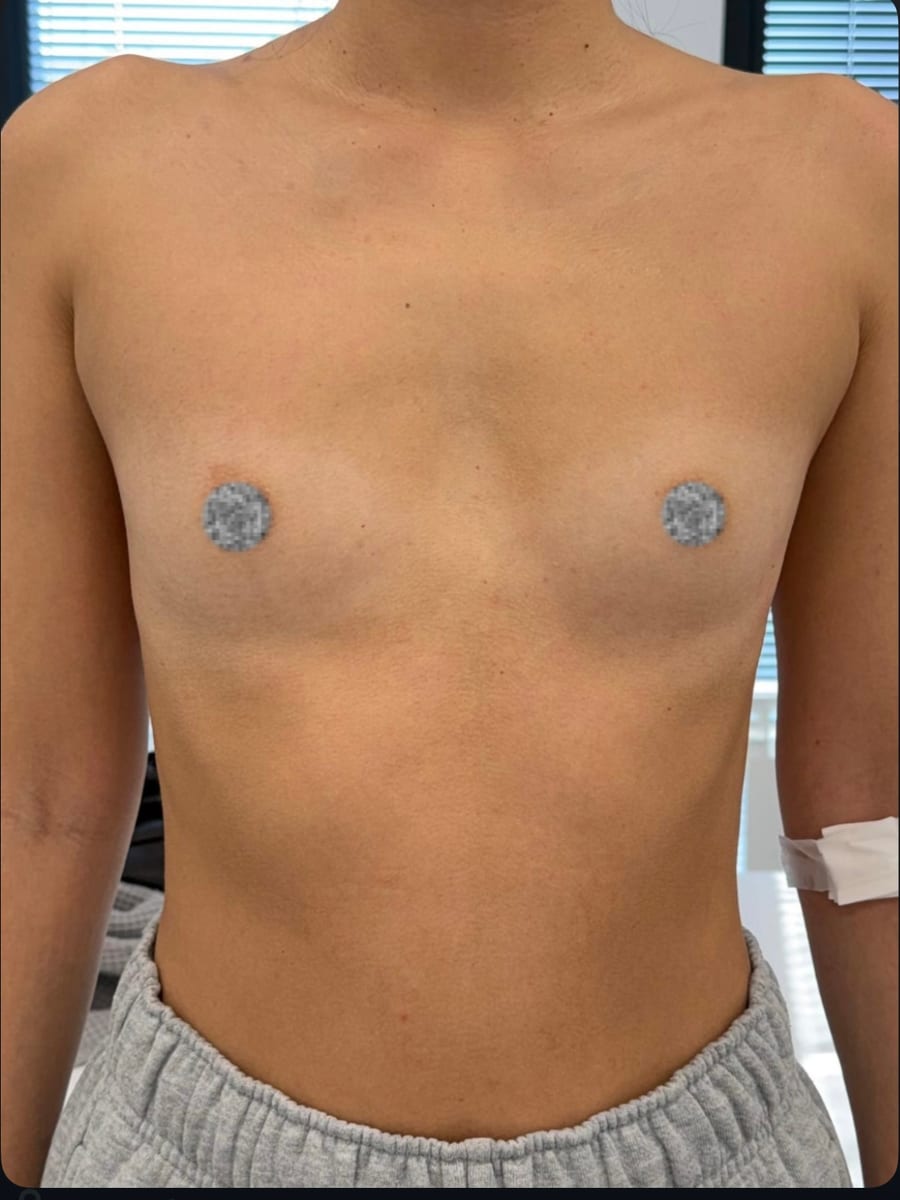
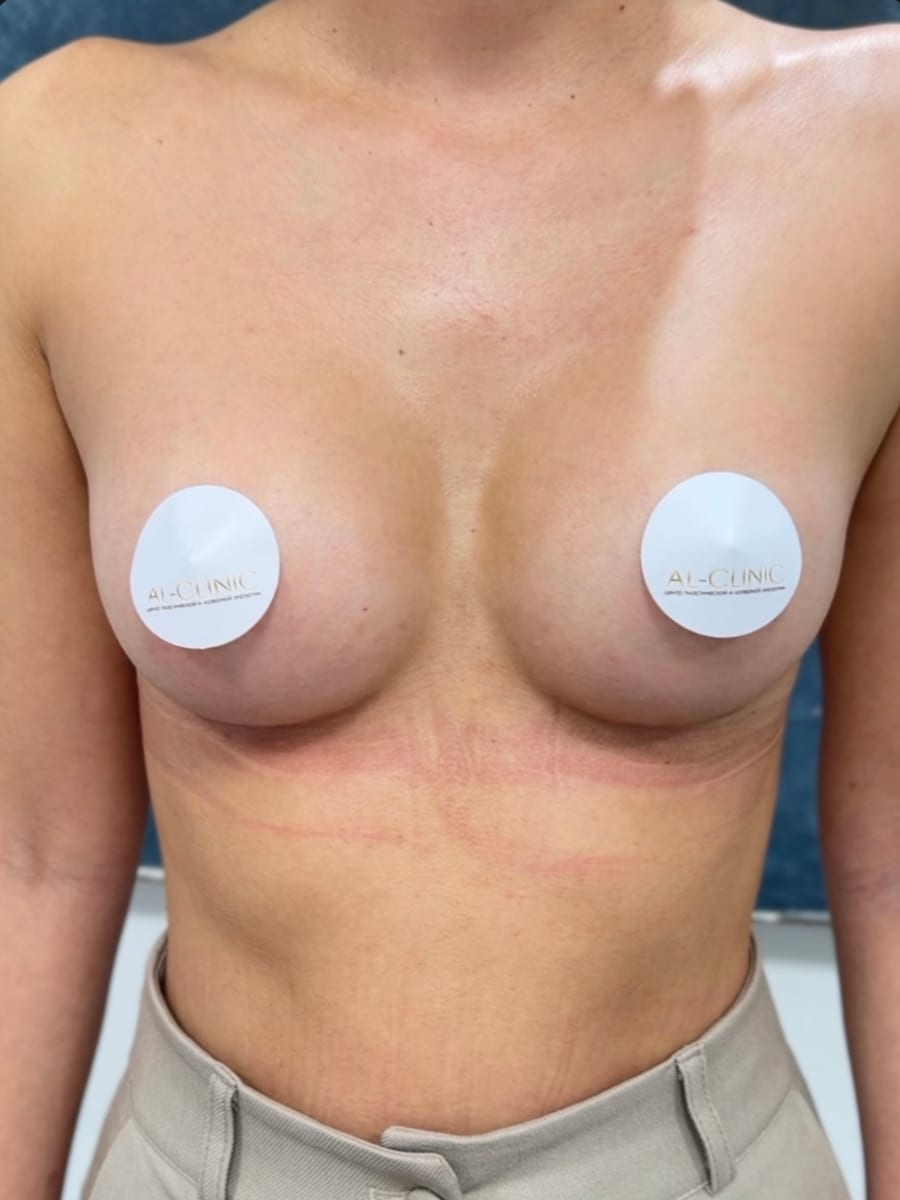
Who it suits and when to wait
- Small breast volume or insufficient shape
- Marked breast asymmetry
- Breast ptosis (sagging) after childbirth, breastfeeding, or significant weight loss
- Macromastia — excessively large breasts causing back and neck pain
- Discomfort from breast size during physical activity
- Gynecomastia in men (enlargement of the male breast glands)
- Pregnancy and breastfeeding
- Blood clotting disorders
- Acute infectious and inflammatory processes
- Severe chronic diseases in an acute stage
- Breast disease (requires prior examination)
- Decompensated diabetes mellitus
How it works in practice
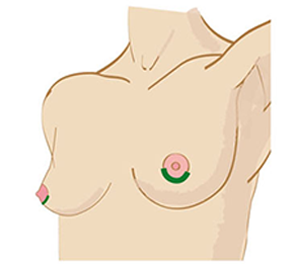
Periareolar access (around the areola)
The incision follows the border of the nipple-areolar complex, so the scar is practically invisible. This approach is usually recommended for women who have already given birth — it allows precise placement of the implant and minimizes trauma to the glandular tissue.
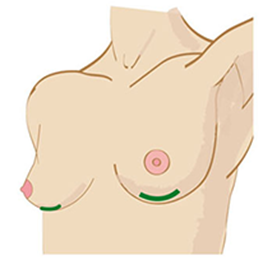
Inframammary access (under the breast)
The incision is made in the inframammary fold, where the scar is hidden beneath the breast's natural contour. This approach is notably safe and allows convenient shaping of the implant pocket.
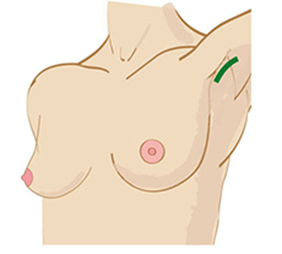
Transaxillary access (through the armpit)
The incision is placed in a hard-to-notice location, without affecting the breast gland or the sensitivity of the nipple-areolar complex. It requires particular surgical experience and endoscopic equipment.
From consultation to result
Consultation and choosing the technique
The surgeon assesses the shape and volume of the breasts, discusses your goals, and selects the implant type and access — periareolar, inframammary, or transaxillary.
Preparation and anesthesia
A pre-operative examination is carried out; anesthesia is administered on the day of surgery, with the type determined individually.
Surgical access
The incision is made according to the chosen technique: around the areola, in the inframammary fold, or in the armpit area.
Shaping the breast
The implant is placed, and a lift or volume reduction is performed, depending on the goal of the operation.
Suturing and fixation
The tissues are aligned, cosmetic sutures are applied, and a compression garment is put on for support.
How recovery unfolds
Procedure pricing
The exact cost is set at the consultation after an examination and depends on the scope of the procedure.
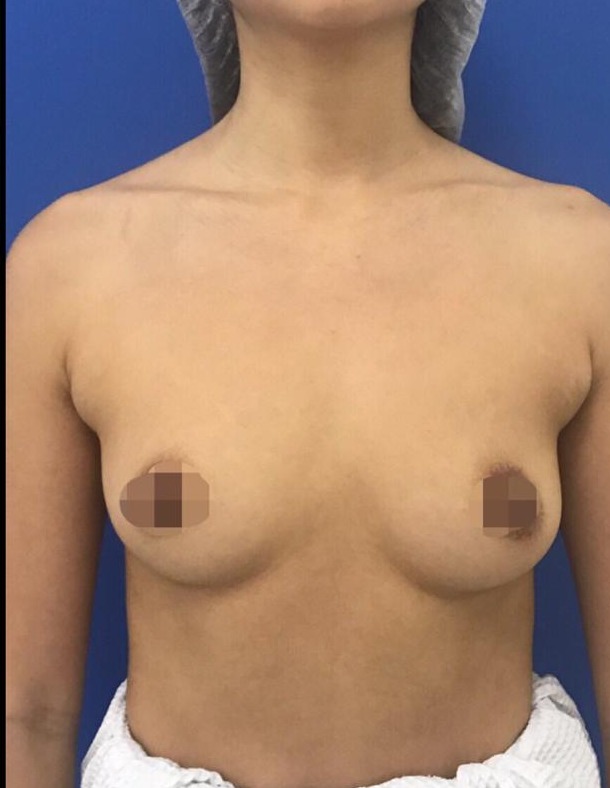
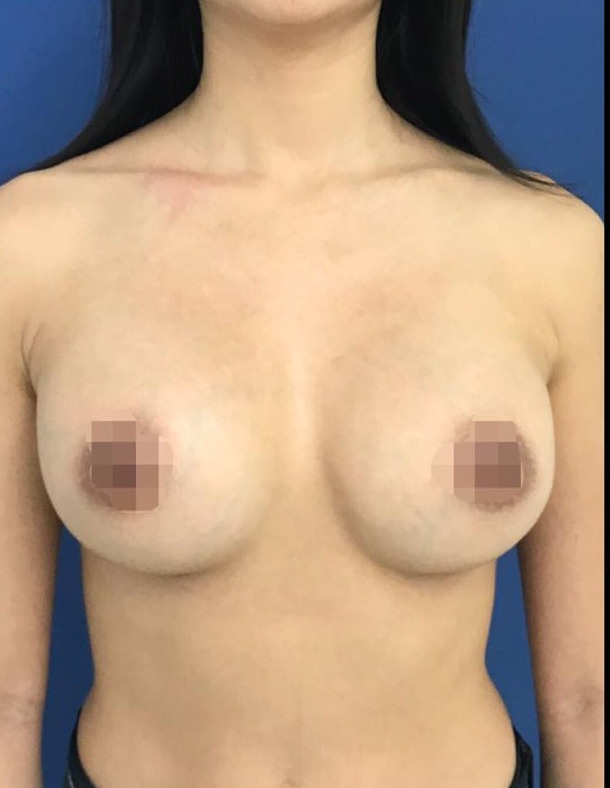
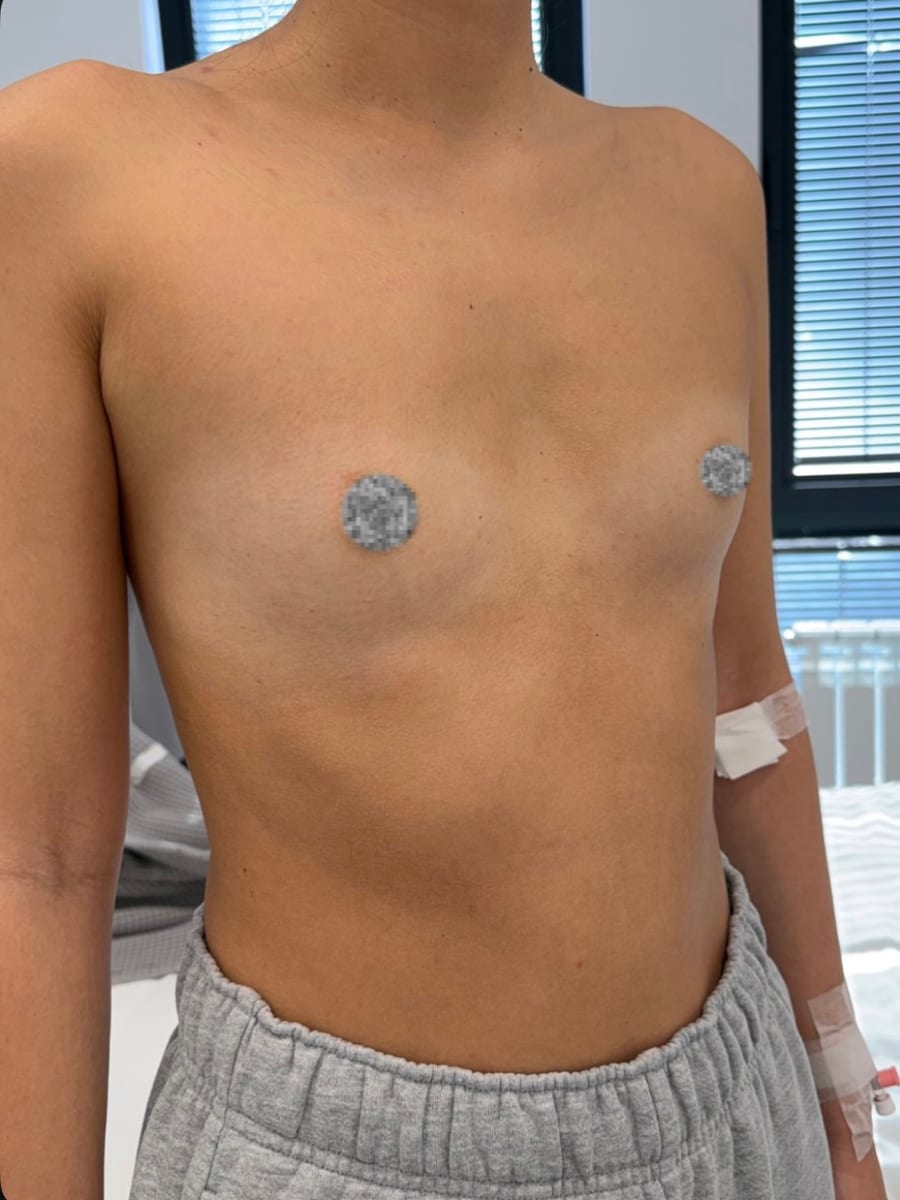
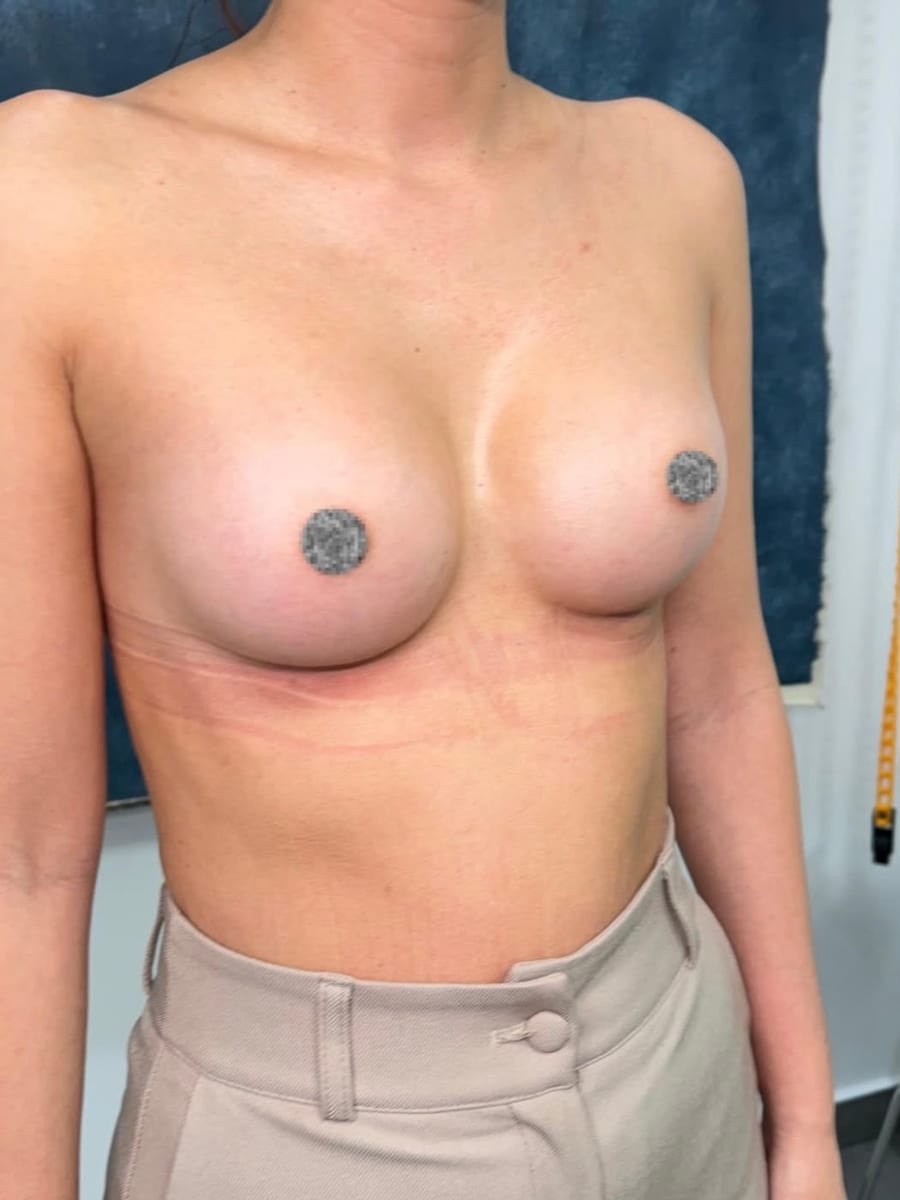
Results — Mammoplasty
FAQ about Mammoplasty
Round implants fill the upper pole of the breast more, giving a more pronounced volume. Anatomical (teardrop-shaped) implants follow the breast's natural contour. The choice depends on your anatomy, initial shape, and preferences — the surgeon selects the optimal option at the consultation after an examination.
In most cases, yes: with a careful technique the ducts and glandular tissue are preserved, and implants are placed so as not to interfere with lactation. Nipple correction is also performed while preserving the ability to breastfeed. If you are planning a pregnancy, be sure to tell your surgeon — they will take this into account when choosing the technique.
The size is selected individually, taking into account the width and height of the chest, the condition of the skin and tissues, and your preferences. An implant that is too large for a narrow chest looks unnatural and increases strain on the tissues. The surgeon helps find a balance between the desired volume and anatomical possibilities.
The periareolar approach (around the areola) is minimally traumatic and recommended for women who have given birth. The inframammary approach (in the fold under the breast) is considered the safest, with the scar hidden by the fold. The transaxillary approach leaves no incisions on the breast itself, but requires a higher level of surgical skill and special equipment.
Incisions are placed in inconspicuous areas — around the areola, in the inframammary fold, or in the armpit. Over time, scars fade and become practically invisible. Proper suture care and following recommendations during healing help form a thin, neat scar.
Light activity is usually allowed after a few weeks, while intense training and loads on the chest muscles are permitted no earlier than 1.5–2 months, and only after checking with your doctor. Early exertion increases the risk of implant displacement and swelling, so a return to sport happens gradually.
Yes, a compression garment supports the breast, reduces swelling, and helps the tissues heal correctly. It is usually worn for several weeks; the exact duration depends on the type of operation and is specified in your individual recommendations. The garment is especially important in the first weeks after surgery.
In the first weeks it is recommended to sleep on your back, avoiding pressure on the breasts. Sleeping on your side or stomach will only be possible after your doctor's approval. Keeping the upper body elevated in the first days helps reduce swelling and discomfort.
In most cases, sensitivity is preserved. A temporary decrease or increase in sensitivity is possible due to swelling and tissue healing, but it usually returns within a few weeks or months. The risk depends on the type of operation and is discussed at the consultation.
Bio-implants are modern breast augmentation materials distinguished by their composition and shell properties. They are more expensive than standard round and anatomical implants due to their manufacturing technology. The surgeon assesses whether they are appropriate for your case individually at the consultation.
Yes, a lift combined with implant placement is a common solution for breast ptosis with insufficient volume. This allows both lifting the breast and adding volume in a single procedure. The feasibility and scope of such an operation are determined by the condition of the tissues and discussed at the examination.
Reduction mammoplasty removes excess glandular tissue, fat, and skin, creating a smaller, more lifted breast. The operation relieves back and neck strain caused by macromastia. Recovery takes several weeks, the hospital stay is usually 2–3 days, and the final result is visible after 2–3 months.
Gynecomastia is the enlargement of the male breast glands. Surgical treatment removes excess glandular and fatty tissue, restoring a masculine chest contour. The operation is usually well tolerated, and the scars are barely noticeable. The approach is chosen after an examination that rules out hormonal and other causes.
Mammography remains possible after implants are placed, but it is important to inform your doctor about the implants beforehand — sometimes additional imaging techniques or ultrasound are used. Regular breast examinations after breast surgery are just as necessary as without it.
Modern implants are designed for a long service life and do not require scheduled replacement. Replacement may be needed in case of complications or a desire to change volume. Regular check-ups help monitor the condition of the implants and breast tissue in time.
The operation is performed under anesthesia, so there is no pain during it. In the first days, a feeling of tightness, heaviness, and discomfort is possible, which is managed with prescribed medication. Unpleasant sensations gradually decrease during the first week of recovery.
Aesthetic breast operations are performed after the breast has finished developing — generally from age 18. For medical reasons (for example, marked asymmetry or gynecomastia), individual decisions are possible. There is no upper age limit — what matters is the patient's overall health.
Yes, correcting asymmetry is one of the common goals of breast surgery. Depending on the cause, implants of different volumes, a lift, or reduction of one breast may be used. The surgeon draws up an individual plan to achieve maximum symmetry of shape and size.
Important note on medical information
- The procedure descriptions, recovery times and prices on this page are for reference only and do not replace a consultation with a doctor.
- Every operation has contraindications. Whether surgery is possible, and by which technique and to what extent, is decided only at an in-person examination.
- Results and recovery times vary from person to person. The photographs show the results of specific patients and are not a promise of the same outcome.
Written by Vladimir Khegay, plastic surgeon, specializing since 2013. Education and experience · updated July 29, 2026
Book Mammoplasty
Leave your contacts — we'll call you back within the business day, answer your questions and find a convenient time for your consultation.
By clicking the button, you agree to the privacy policy. The procedure is already selected — Mammoplasty.