Cruroplasty
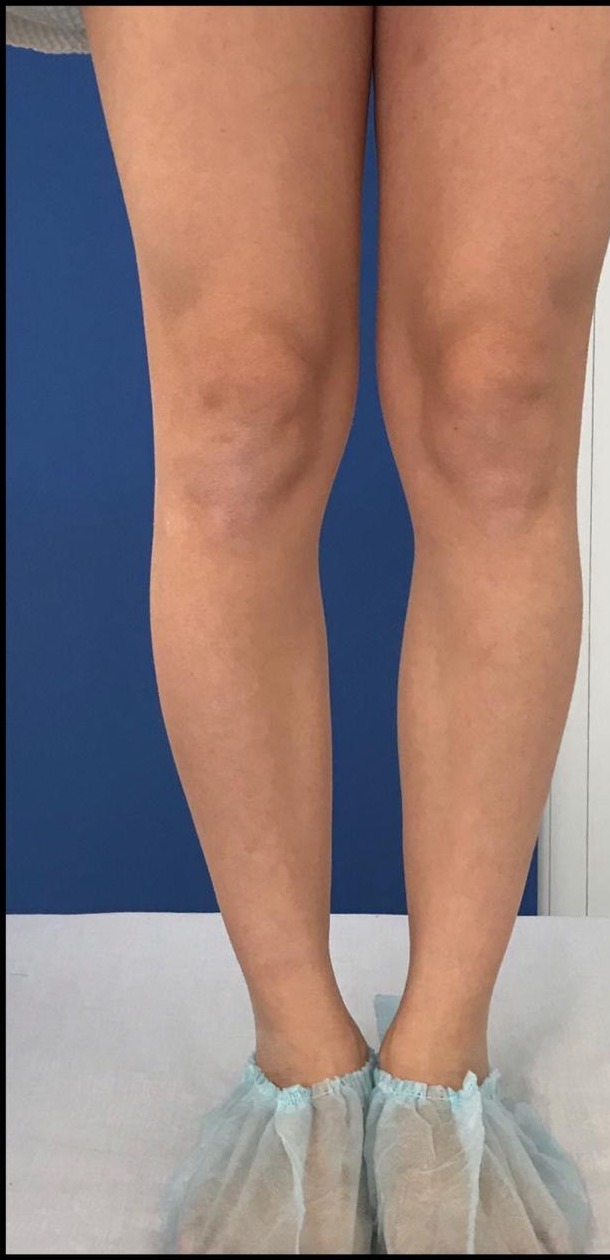
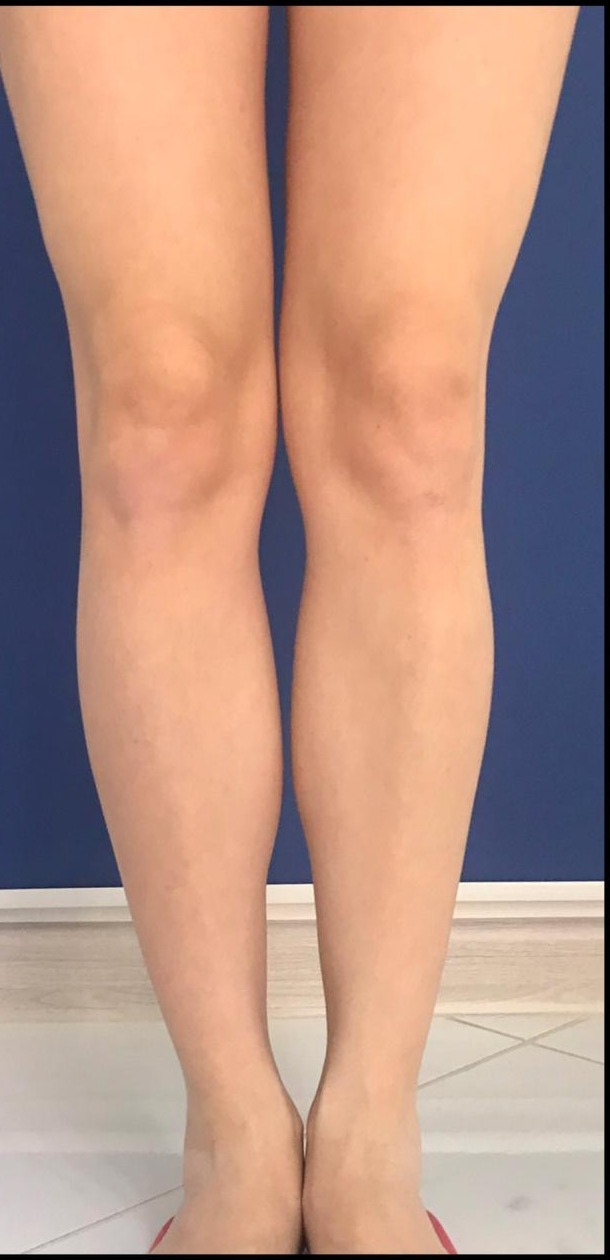
Calf augmentation (crural implant surgery) is a plastic surgery procedure that changes the volume and shape of the calves and helps correct leg curvature. Patients turn to it when the calves appear curved, when the calf muscles are underdeveloped (dystrophy), and to restore the shape of the leg after previous surgeries or injuries.
The operation is performed under general anesthesia and takes about an hour. A small incision — 3–4 cm — is made in the popliteal area, through which implants are placed under the fascia of the medial head of the calf muscle. They are filled with highly cohesive silicone gel, whose density is practically identical to that of the calf's soft tissue, and come in a symmetric (crescent) shape or an asymmetric shape with the volume projection shifted upward. In addition to the approach through the popliteal fold, an approach below the popliteal area or an anterior approach is also possible; the surgeon selects the option individually.
In the first 3–5 days after the operation, pain may persist while walking; the swelling gradually subsides over two weeks, and the sutures are removed after 7–10 days. Wearing compression garments is recommended for a month after the operation.
Who it suits and when to wait
- Calf curvature affecting the aesthetics of the leg
- Insufficient calf volume
- Calf muscle dystrophy
- Restoring calf shape after previous surgeries or injuries
- Hemophilia and other blood clotting disorders
- Insulin-dependent diabetes mellitus
- Oncological diseases
- Chronic diseases of internal organs
- Severe skin diseases
- Impaired blood supply to the limbs
- Pronounced O- or X-shaped leg deformity without prior orthopedic correction
How it works in practice
Assessing calf shape
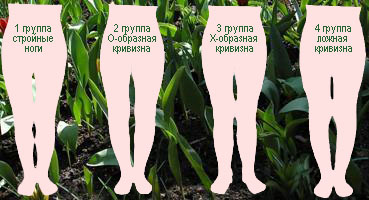
At the consultation, the surgeon identifies the type of leg shape — from mild asymmetry to pronounced O- or X-shaped curvature — and selects the appropriate implant size and shape.
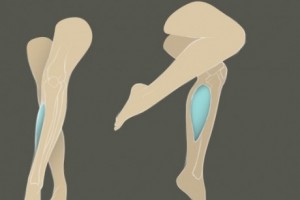
Placing the implant under the fascia
The implant is placed strictly under the fascia of the medial head of the calf muscle through a 3–4 cm incision in the popliteal area — this way it cannot be felt and is well secured.
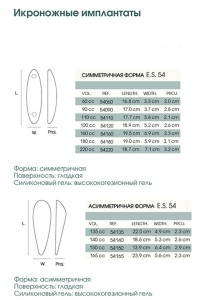
Symmetric and asymmetric implants
The implant's shape and size are selected individually: symmetric implants follow a crescent shape, while asymmetric implants are shifted upward to more precisely follow the natural contour of the contracting muscle.
From consultation to result
Consultation and implant selection
The surgeon assesses the shape and volume of the calves and determines the suitable implant type — symmetric (crescent-shaped) or asymmetric, with the volume projection shifted upward — as well as the surgical approach.
General anesthesia
The operation is performed under general anesthesia and takes about an hour.
Incision and implant placement
A small incision (3–4 cm) is made in the popliteal area (or below the popliteal area, or via an anterior approach), through which implants filled with highly cohesive silicone gel are placed under the fascia of the medial head of the calf muscle.
Closing the incision
The operation is completed with sutures, which are removed after 7–10 days.
How recovery unfolds
Procedure pricing
The exact cost is set at the consultation after an examination and depends on the scope of the procedure.
Results — Cruroplasty
FAQ about Cruroplasty
Through a small 3–4 cm incision in the popliteal area, silicone implants are placed under the fascia of the medial head of the calf muscle, after which the incision is sutured. The entire operation is performed under general anesthesia and takes about an hour.
The operation takes about an hour and is performed under general anesthesia.
Most often a small incision — 3–4 cm — is made in the popliteal area. An approach below the popliteal area or an anterior approach is also possible.
There are three options: an approach through the popliteal fold, an approach below the popliteal area, and an anterior approach. The surgeon selects the option individually.
The implants are placed under the fascia of the medial head of the calf muscle through an incision in the popliteal area.
The implants contain highly cohesive silicone gel, whose density is practically identical to that of the calf's soft tissue, so the result feels natural.
Symmetric implants are crescent-shaped, while asymmetric implants have their volume projection shifted upward. The type is selected based on the calf's initial shape and the desired result.
Pain while walking usually persists for 3–5 days after the operation.
Sutures are removed 7–10 days after the operation.
The swelling of the calves subsides within about 2 weeks.
Compression garments are recommended to be worn for a month after the operation — this supports the tissues and helps achieve a stable result.
If a patient has a pronounced O-shaped or X-shaped leg deformity, calf augmentation is not performed without prior orthopedic correction — the bone deformity itself must first be corrected.
Important note on medical information
- The procedure descriptions, recovery times and prices on this page are for reference only and do not replace a consultation with a doctor.
- Every operation has contraindications. Whether surgery is possible, and by which technique and to what extent, is decided only at an in-person examination.
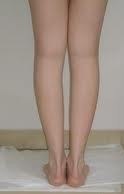
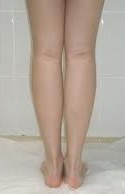
- Results and recovery times vary from person to person. The photographs show the results of specific patients and are not a promise of the same outcome.
Written by Vladimir Khegay, plastic surgeon, specializing since 2013. Education and experience · updated July 29, 2026
Book Cruroplasty
Leave your contacts — we'll call you back within the business day, answer your questions and find a convenient time for your consultation.
By clicking the button, you agree to the privacy policy. The procedure is already selected — Cruroplasty.