
Blepharoplasty
Blepharoplasty is a plastic surgery procedure to correct the eyelids. It removes excess upper eyelid skin that hangs over the lash line and fat herniation ("bags") under the eyes, restoring an open, well-rested look to the eyes. The operation suits patients concerned about age-related eyelid changes, hereditary features, or midface ptosis; it is most often performed after age 30–35, but there is no strict age limit.
Several techniques are available: the classic technique (with an incision in the natural crease of the upper eyelid or along the lash line of the lower eyelid), laser, and transconjunctival — through the inner surface of the eyelid, with no external incisions. The technique is chosen based on the area and degree of excess tissue. Sutures are typically removed on day 3–4, you can return to makeup and work by around day 10, and the scar becomes unnoticeable within 1.5–2 months.
The price starts from 150,000 ₸ (epicanthoplasty). The exact approach, duration, and type of anesthesia are determined at an in-person consultation.
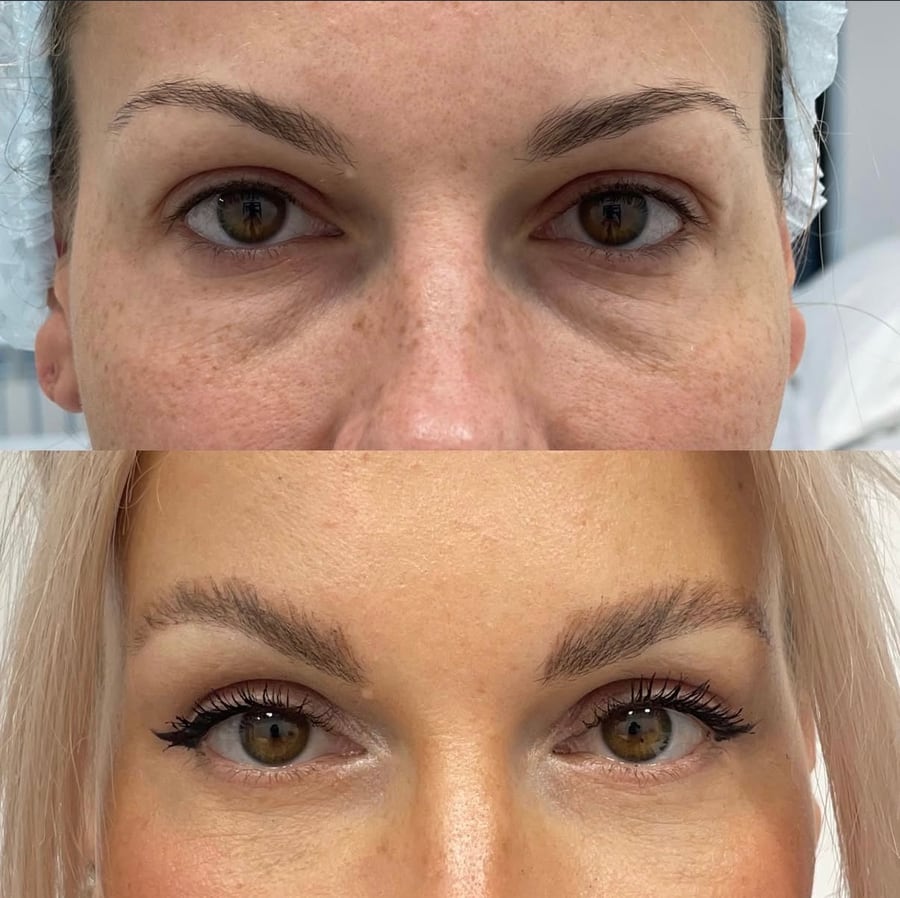
Who it suits and when to wait
- Excess upper eyelid skin hanging over the lash line
- Eyelid hooding that interferes with peripheral vision
- Fat herniation ("bags") under the eyes
- Ptosis (drooping) of midface tissues
- Age-related changes to the skin around the eyes
- Hereditary heaviness and puffiness of the eyelids
- Severe eye conditions (glaucoma, dry eye syndrome, conjunctivitis)
- Pregnancy and breastfeeding
- Blood clotting disorders
- Severe chronic diseases in an acute flare-up
- Acute infectious and inflammatory processes
- Decompensated diabetes mellitus
How it works in practice
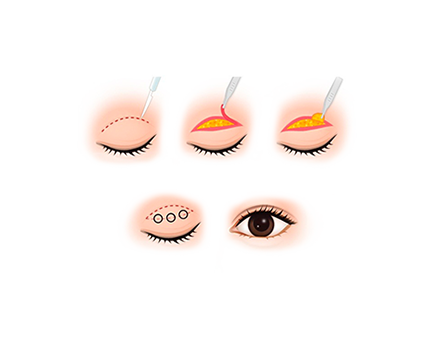
Traditional upper eyelid blepharoplasty
Removal of excess skin and fatty tissue in the upper eyelid area to correct age-related changes. Indicated for hooded eyelid skin, puffiness under the brow, and a heavy, tired-looking gaze.
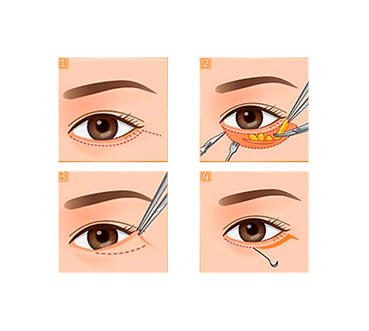
Traditional lower eyelid blepharoplasty
Excision of excess skin and fatty tissue in the lower eyelid area eliminates under-eye bags, skin sagging and looseness, and dark circles. Restores a fresh look to the eyes.
From consultation to result
Consultation and technique selection
The surgeon assesses the area and degree of excess skin and determines the best approach — classic, laser, or transconjunctival blepharoplasty.
Preparation and anesthesia
A pre-operative examination is carried out; anesthesia is administered on the day of surgery — its type is determined individually.
Incision
On the upper eyelid the incision is made in the natural crease; on the lower eyelid — along the lash line, transconjunctivally, or endoscopically.
Removing excess tissue and suturing
The surgeon removes excess skin and fat herniation, redistributes tissue if needed, and places fine cosmetic sutures.
How recovery unfolds
Procedure pricing
The exact cost is set at the consultation after an examination and depends on the scope of the procedure.
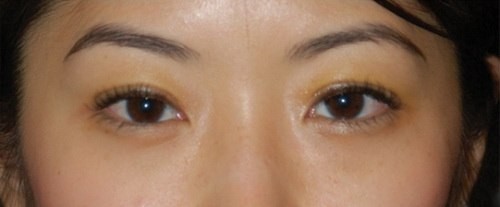
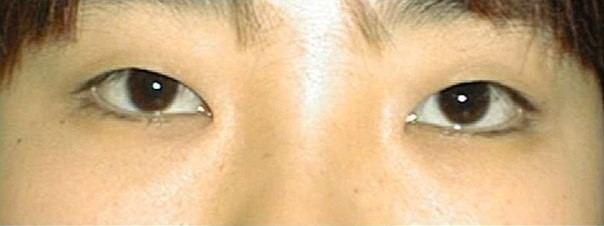
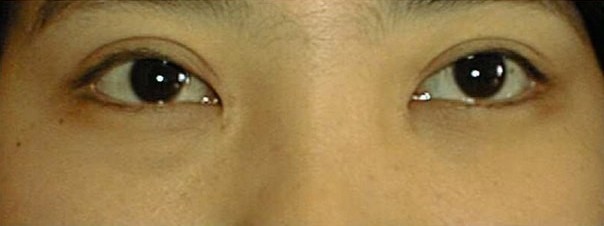
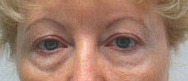
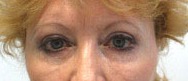
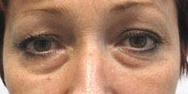
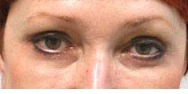
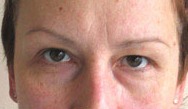
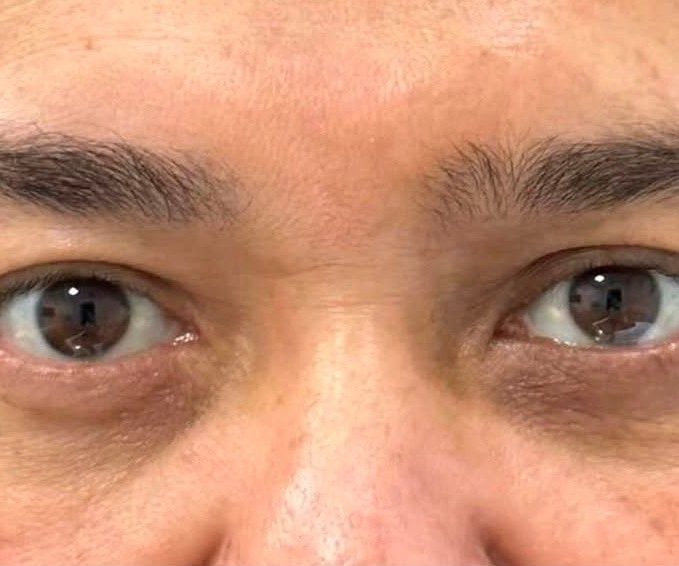
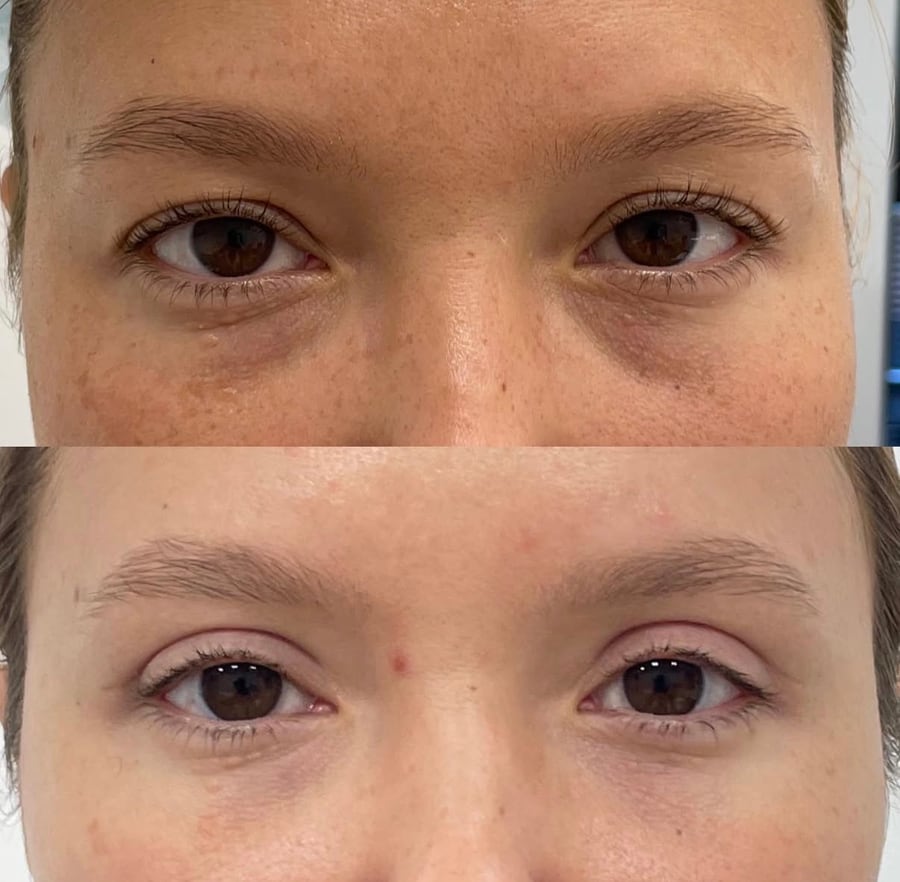
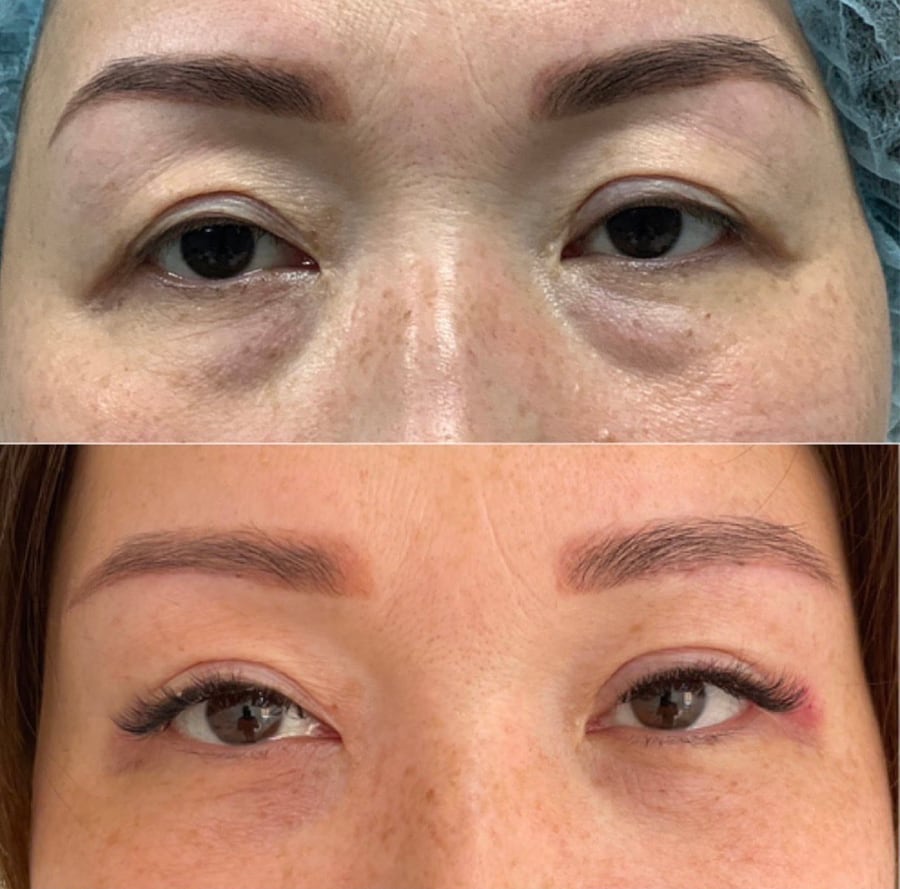
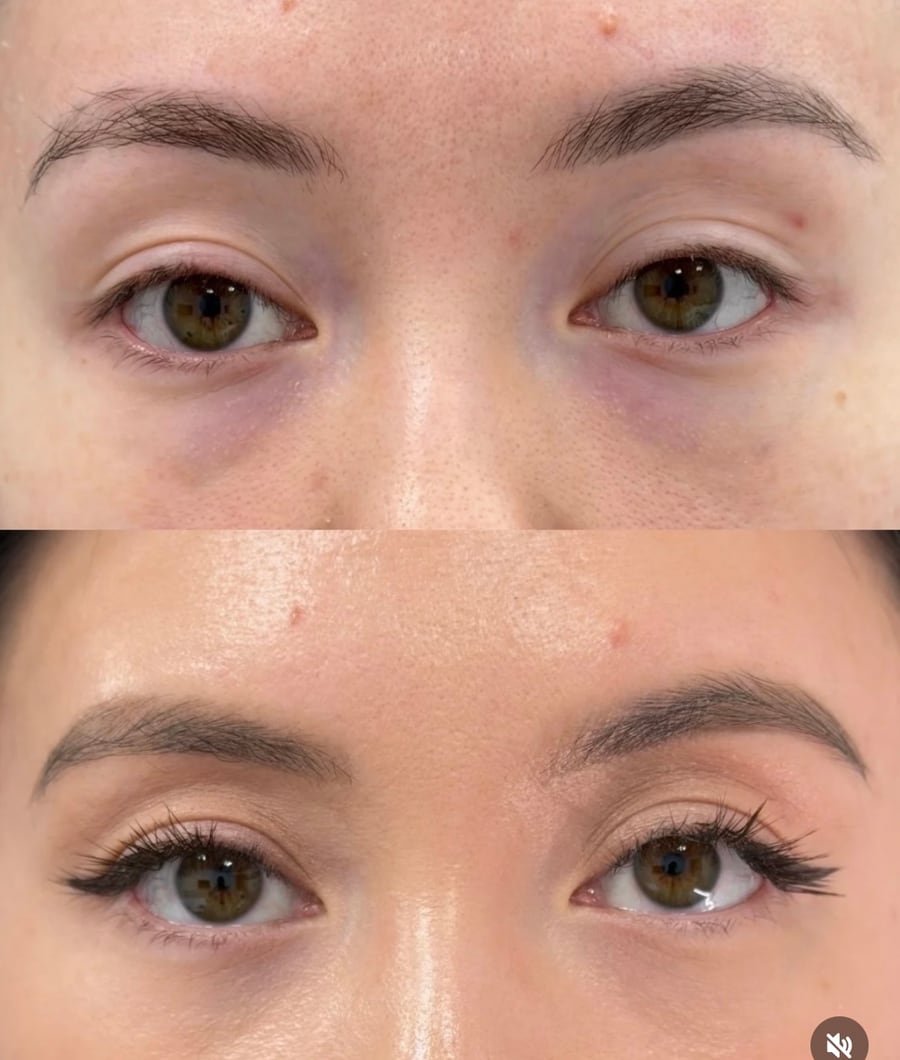
Results — Blepharoplasty
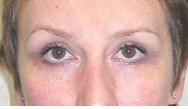
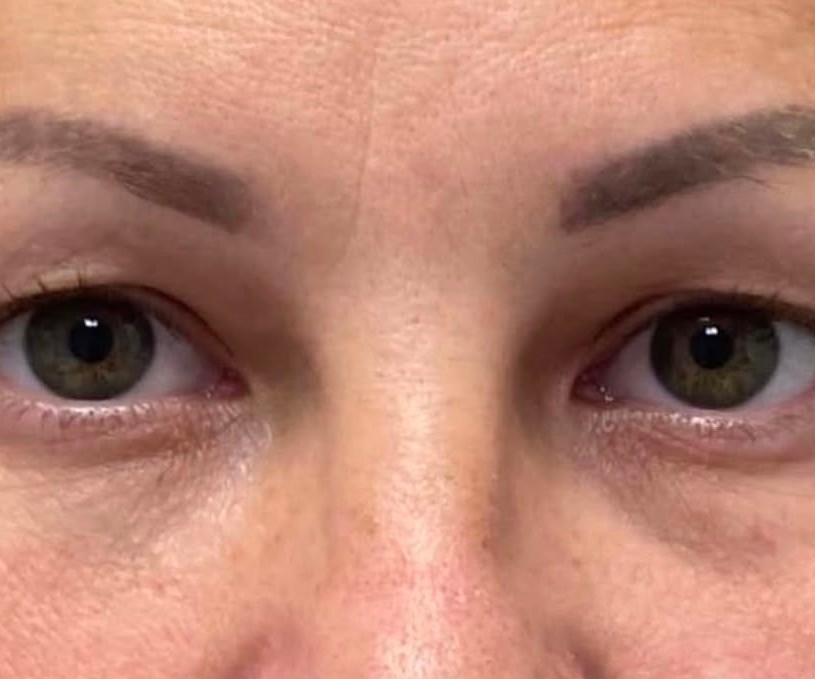
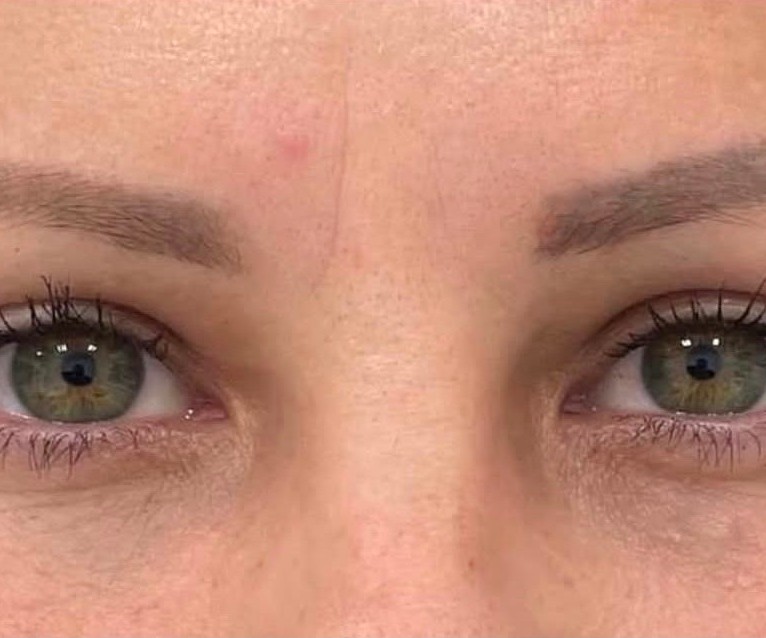
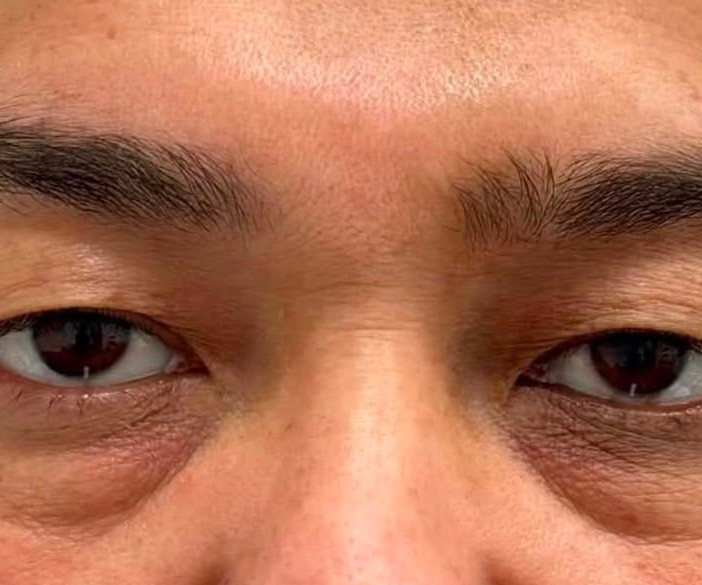
FAQ about Blepharoplasty
In laser blepharoplasty, the incision and tissue work are performed with a laser beam rather than a scalpel. The laser simultaneously seals the blood vessels, so bleeding and swelling are usually reduced and healing is somewhat faster. The aesthetic result is comparable to the classic technique; the choice depends on the goal and anatomy and is made at the consultation.
Yes, wearing contact lenses is not a contraindication. It's only necessary to temporarily stop wearing them before and after surgery while the eyelids heal. At the consultation the doctor will specify the exact timing and give recommendations. Once you have fully recovered, you can return to your usual lens routine without restrictions.
Contact lenses are usually asked to be removed 1–2 days before surgery, and mascara and decorative eye makeup should be avoided the day before and on the day of the procedure. This reduces the risk of irritation and infection. The exact timing depends on the technique and is specified in your individual preparation guide.
The result of blepharoplasty lasts a long time — typically many years. The skin continues to age naturally, so new age-related changes may appear over time, but a repeat operation is not needed by everyone, nor soon. Following recommendations and caring for the skin helps prolong the effect.
Yes, blepharoplasty is often performed together with a facelift, brow lift, or lipofilling — this allows harmonious rejuvenation with a single anesthesia and a single recovery period. The surgeon determines the feasibility and scope of such a combination at the consultation, based on tissue condition and your wishes.
Lower blepharoplasty is precisely what removes the fat herniation that forms "bags." After healing, this area looks smooth and well-rested. If the puffiness is related not only to fat herniation but also to fluid retention or circulation features, the doctor will explain in advance what result to expect in your specific case.
This is a technique for correcting the lower eyelids through an incision on the inner surface of the eyelid, with no external incisions or visible sutures. It suits patients who need fat herniation removed while their skin is in good condition. Because no skin is excised, this method is especially valued by younger patients and those who don't want visible traces.
Suture removal is a quick and virtually painless procedure — most patients feel only a slight tugging sensation. The eyelid skin is thin, so the procedure takes only a few minutes. For heightened sensitivity, a local anesthetic can be used, though it is usually not needed.
Patients usually return to contact lenses around two weeks after surgery, once the main swelling has subsided and the tissues have healed. Until then, it's better to wear glasses. The exact timing depends on the technique and the pace of recovery — the doctor will confirm it at the follow-up visit.
There is no strict lower age limit: the operation is performed whenever there are indications for it. Due to hereditary factors, excess skin or fat herniation can occur even at a young age, in which case surgery is possible after age 18. Blepharoplasty is more commonly performed after age 30–35, when age-related changes to the eyelids appear. There is also no upper limit — what matters is overall health.
The operation is performed under anesthesia, so there is no pain during it. In the first days, a feeling of tightness, mild discomfort, and eyelid swelling are possible — these are well tolerated and manageable. Most patients do not report significant pain, and unpleasant sensations quickly diminish over the first week.
Blepharoplasty is often performed with a short monitored hospital stay, though an outpatient format is possible in some cases. The exact option depends on the extent of the operation, the type of anesthesia, and how you feel, and is clarified at the consultation. Monitoring during the first hours after the procedure improves safety.
Incisions are placed in the natural crease of the upper eyelid or along the lash line of the lower eyelid, so traces are practically invisible. With the transconjunctival technique there are no external scars at all. The thin scar matures and lightens over 1.5–2 months, after which it becomes hard to distinguish even up close.
The main swelling and bruising last the first few days and noticeably decrease by the time the sutures are removed. By around day 10, the eyelid skin looks smooth enough to return to work and makeup. Mild residual swelling may persist for a couple of weeks and fades gradually.
Light activity is usually allowed after two weeks, while intense workouts, bending over, and loads that increase pressure in the head area are not recommended before three to four weeks and should be discussed with the doctor. Early exertion increases swelling, so a return to sports should be gradual.
Yes, circumferential blepharoplasty combines correction of the upper and lower eyelids in a single operation. This is convenient: one recovery period and one anesthesia instead of two. Whether it's advisable depends on the tissue condition of both areas — the surgeon assesses this at the consultation and proposes the optimal option.
In the first weeks it's recommended to sleep on your back with your head elevated — this reduces eyelid swelling. It's best not to sleep face-down in the pillow and to avoid pressure on the eyes. An extra pillow helps keep the head above heart level, which speeds up the reduction of swelling.
Pronounced dry eye syndrome requires caution, since the operation can temporarily worsen dryness. This is not always an absolute contraindication: the doctor assesses the condition and refers you to an ophthalmologist if needed. Sometimes the dryness is compensated first, and the procedure is planned afterward. The decision is always made individually.
A preliminary result is visible once the sutures are removed and the main swelling subsides — around day 10. The tissues fully heal and the scars become unnoticeable within 1.5–2 months. It's at this point that the openness of the gaze and the shape of the eyelids can be fully assessed.
Important note on medical information
- The procedure descriptions, recovery times and prices on this page are for reference only and do not replace a consultation with a doctor.
- Every operation has contraindications. Whether surgery is possible, and by which technique and to what extent, is decided only at an in-person examination.
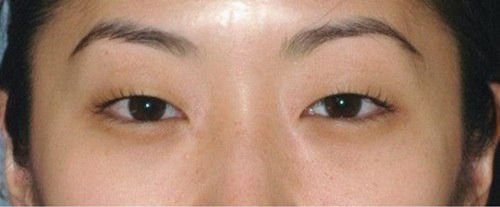
- Results and recovery times vary from person to person. The photographs show the results of specific patients and are not a promise of the same outcome.
Written by Vladimir Khegay, plastic surgeon, specializing since 2013. Education and experience · updated July 29, 2026
Book Blepharoplasty
Leave your contacts — we'll call you back within the business day, answer your questions and find a convenient time for your consultation.
By clicking the button, you agree to the privacy policy. The procedure is already selected — Blepharoplasty.