Facelift
Facial plastic surgery (facelift) is an operation to address age-related changes, correct facial proportions, and address congenital defects and the consequences of trauma. The main technique is the SMAS lift: a deep lift in which not only the skin but also the musculoaponeurotic layer (SMAS) is repositioned. This approach delivers a natural, long-lasting result, unlike a simple skin lift. The operation is optimally performed before age 45, but it is also possible later if there are no contraindications.
A SMAS lift is performed under local intravenous anesthesia, the incisions are placed inside and behind the ear, and the operation itself takes 1.5–2.5 hours; a repeat procedure is usually possible after 8–10 years. There is also an endoscopic technique, with incisions in inconspicuous locations (along the hairline, inside the mouth); it is often combined with a neck lift, fat grafting, or liposuction for harmonious rejuvenation.
The price starts from 1,500,000 ₸. The exact approach and cost are determined at an in-person consultation after examination.
Who it suits and when to wait
- Age-related changes in facial skin and soft tissues
- Ptosis (sagging) of the tissues in the mid and lower third of the face
- Loss of a defined facial oval, jowls, deep folds
- The need to correct facial proportions
- Congenital defects
- Consequences of trauma
- Pregnancy and breastfeeding
- Blood clotting disorders
- Acute infectious and inflammatory processes
- Severe chronic diseases in the acute stage
- Decompensated diabetes mellitus
- Severe skin diseases in the surgical area
How it works in practice
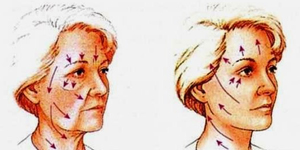
Directions of tissue lifting
The surgeon repositions the facial tissues along vectors opposite to age-related ptosis — upward and laterally for the mid-face, upward for the neck and lower third. This restores a defined facial oval in a natural way.
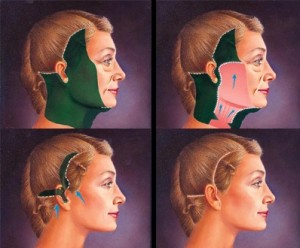
SMAS lift: stages of the operation
Not only the skin but also the musculoaponeurotic layer (SMAS) is repositioned — this gives a natural, long-lasting result unlike a simple skin lift. Incisions are placed inside and behind the ear; the operation takes 1.5–2.5 hours.
From consultation to result
Consultation and planning
The surgeon assesses the condition of the skin and tissues, discusses the patient's wishes, and selects the technique — SMAS lift or endoscopic technique.
Anesthesia
The SMAS lift is performed under local intravenous anesthesia; for other techniques, the type of anesthesia is determined individually.
Surgical access
Incisions are placed inside and behind the ear (SMAS) or in inconspicuous locations — along the hairline and inside the mouth (endoscopic technique).
Tissue lifting
The musculoaponeurotic layer and skin are repositioned, restoring defined facial contours and oval.
Removing excess skin and suturing
Excess skin is excised, tissues are fixed in their new position, and fine sutures are placed.
How recovery unfolds
Procedure pricing
The exact cost is set at the consultation after an examination and depends on the scope of the procedure.
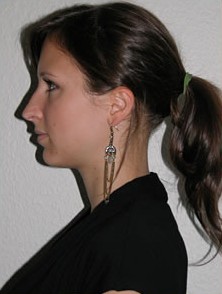
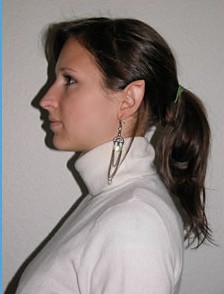
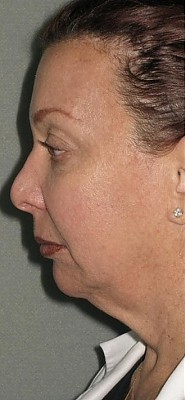
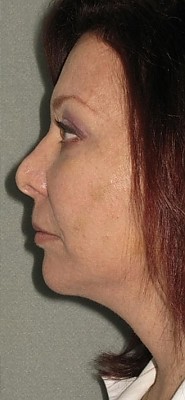
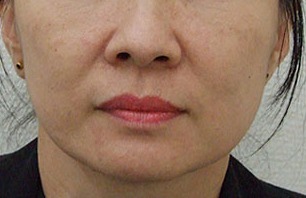
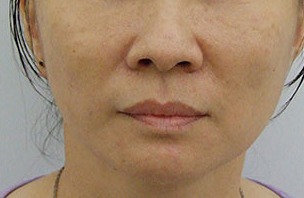
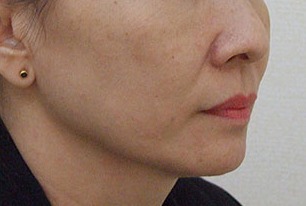
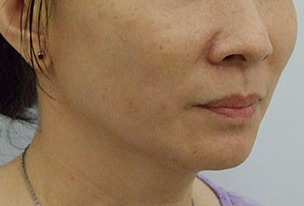
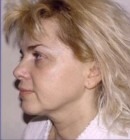
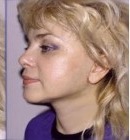
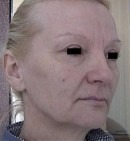
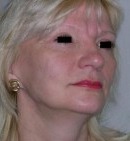
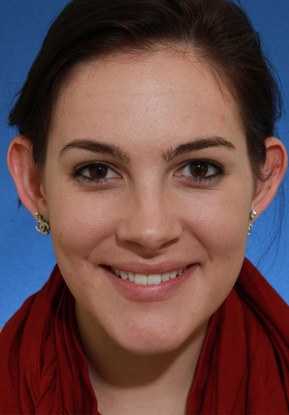
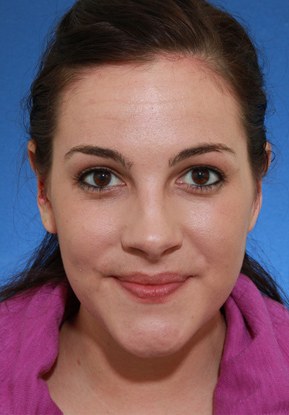
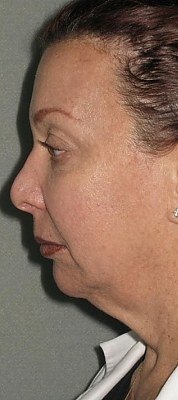
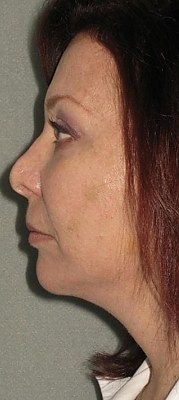
Results — Facelift
FAQ about Facelift
A SMAS lift is a deep lift in which not only the skin but also the musculoaponeurotic layer (SMAS) is repositioned. This gives a natural-looking result that lasts significantly longer than a simple skin lift, which loses its effect faster and can produce an overly "pulled" appearance.
A SMAS lift is optimal up to age 45, when the tissues respond better to lifting. However, the operation is also possible at an older age if there are no contraindications. The decision is made individually after an examination, assessing the condition of the skin, tissues, and general health.
The result of a SMAS lift lasts a long time — typically many years. A repeat procedure is usually possible after about 8–10 years, once natural aging gradually reappears. Skin care and a healthy lifestyle help prolong the effect.
With a SMAS lift, incisions are placed inside and behind the ear, where they are well hidden. With the endoscopic technique, they are along the hairline and inside the mouth. Over time the scars fade and become practically invisible to others.
The endoscopic technique is performed through small incisions in inconspicuous locations and works well for lifting the brows and mid-face. A SMAS lift is a more extensive operation for the lower third and facial oval. The choice depends on the area being corrected and the extent of age-related changes.
Yes, the endoscopic technique and facelift are often combined with a neck lift, fat grafting, or liposuction. This makes it possible to achieve a harmonious result within a single anesthesia and a single recovery period. The surgeon determines the scope of the combined operation at the consultation.
A SMAS lift is performed under local intravenous anesthesia. For other techniques, the type of anesthesia is selected individually depending on the extent of the procedure and the patient's state of health. The final decision is made together with the anesthesiologist during preparation.
A SMAS lift takes an average of 1.5–2.5 hours. The duration depends on the extent of correction and whether it is combined with other procedures. The exact time for a specific technique is confirmed at the consultation once the surgical plan is defined.
There is no pain during the operation thanks to the anesthesia. In the first days, a feeling of tightness, swelling, and discomfort are possible, and these are controlled with prescribed medication. Most patients do not report significant pain, and the sensations decrease over the first week.
The main swelling and bruising are most pronounced in the first days and noticeably decrease by the time the sutures are removed on day 7–10. Bruising usually fades within 2–3 weeks. Mild residual swelling may persist longer and resolves gradually.
Most patients return to social life and work after about 2–3 weeks, once the bruising fades and the main swelling subsides. The exact timing depends on the extent of the surgery and individual healing speed and is confirmed at the follow-up examination.
After the operation, the doctor gives individual recommendations for treating the sutures and caring for the skin. It is important to avoid overheating, direct sun exposure, and physical exertion in the first weeks. Careful care helps form a thin, barely noticeable scar.
Yes, age by itself is not a contraindication. After 50–60, the operation is performed taking into account the condition of the skin and tissues. What matters is general health and the absence of contraindications, not the patient's age in years. Whether the operation is possible is determined at the examination.
It is precisely working with the SMAS layer, not just the skin, that achieves a natural result without the "pulled" look. The surgeon repositions the tissues into their anatomically correct location while preserving facial expressions and features. Naturalness is one of the key goals of modern facelifting.
Platysmaplasty is the correction of the platysma, the subcutaneous neck muscle that sags with age and forms bands and an ill-defined neck contour. The operation restores a well-defined jawline and neck-chin angle. It is often performed together with a facelift for a harmonious result.
Light activity is usually allowed after 2–3 weeks, while intensive training is permitted no earlier than a month, and only in agreement with the doctor. Early exertion increases swelling and raises the risk of tissue displacement, so returning to sport should be gradual.
Yes, a facelift is often combined with blepharoplasty, correction of the eyelids. This makes it possible to rejuvenate both the facial oval and the eye area in a single operation, with one recovery period. The surgeon determines whether combining them is possible at the consultation, based on the condition of the tissues.
In the first weeks it is recommended to sleep on your back with the head elevated — this reduces swelling and protects the treated area. Sleeping on your side or face-down into the pillow should be avoided until the doctor allows it. Proper head positioning speeds up the reduction of swelling.
Yes, smoking impairs blood supply to the tissues and slows healing, increasing the risk of complications and noticeable scarring. It is recommended to stop smoking before the operation and during recovery. The surgeon will specify exact timeframes in an individual preparation guide.
Important note on medical information
- The procedure descriptions, recovery times and prices on this page are for reference only and do not replace a consultation with a doctor.
- Every operation has contraindications. Whether surgery is possible, and by which technique and to what extent, is decided only at an in-person examination.
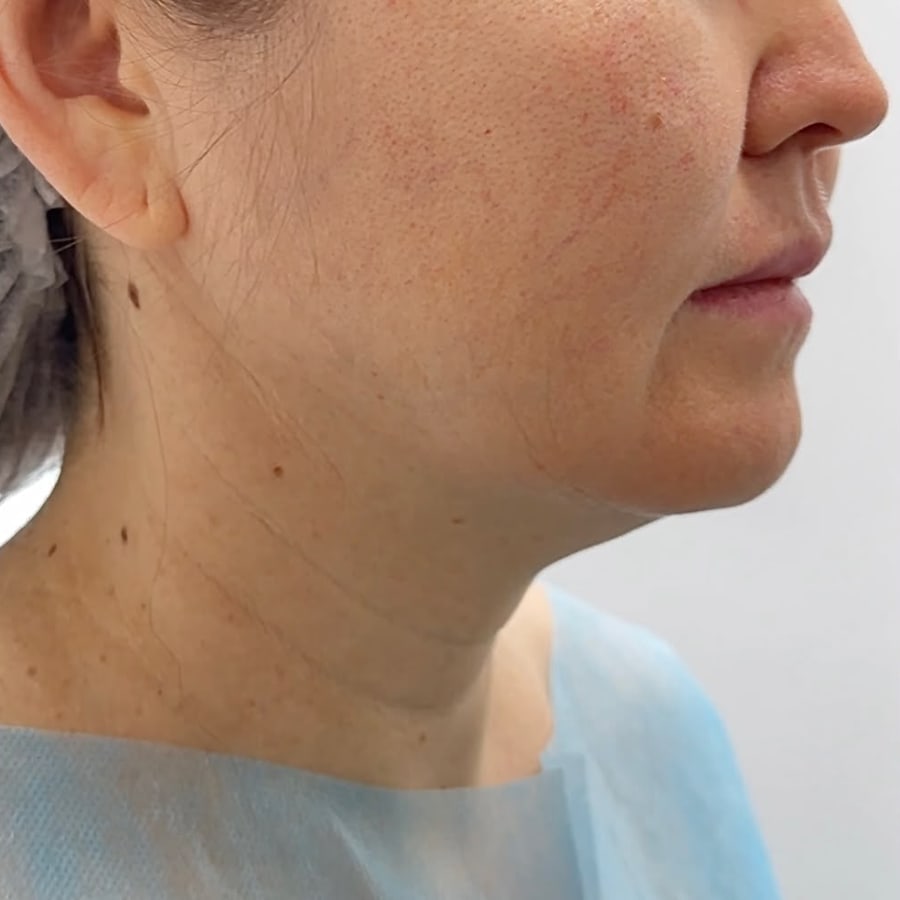
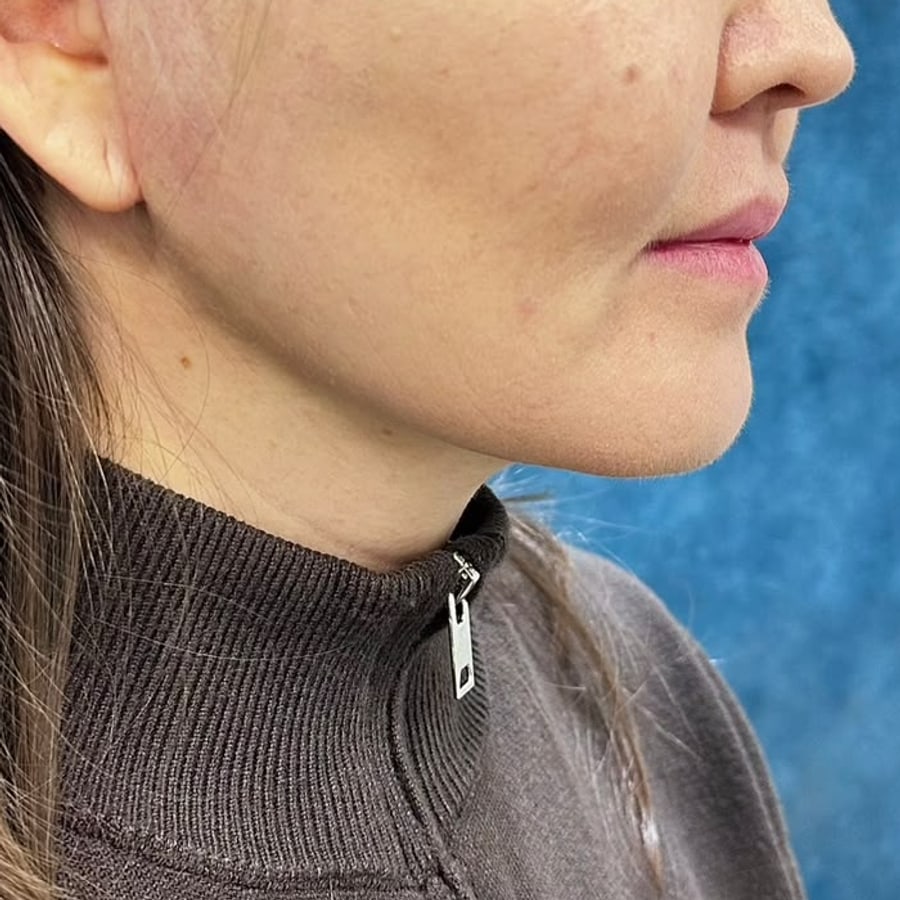
- Results and recovery times vary from person to person. The photographs show the results of specific patients and are not a promise of the same outcome.
Written by Vladimir Khegay, plastic surgeon, specializing since 2013. Education and experience · updated July 29, 2026
Book Facelift
Leave your contacts — we'll call you back within the business day, answer your questions and find a convenient time for your consultation.
By clicking the button, you agree to the privacy policy. The procedure is already selected — Facelift.