Abdominoplasty
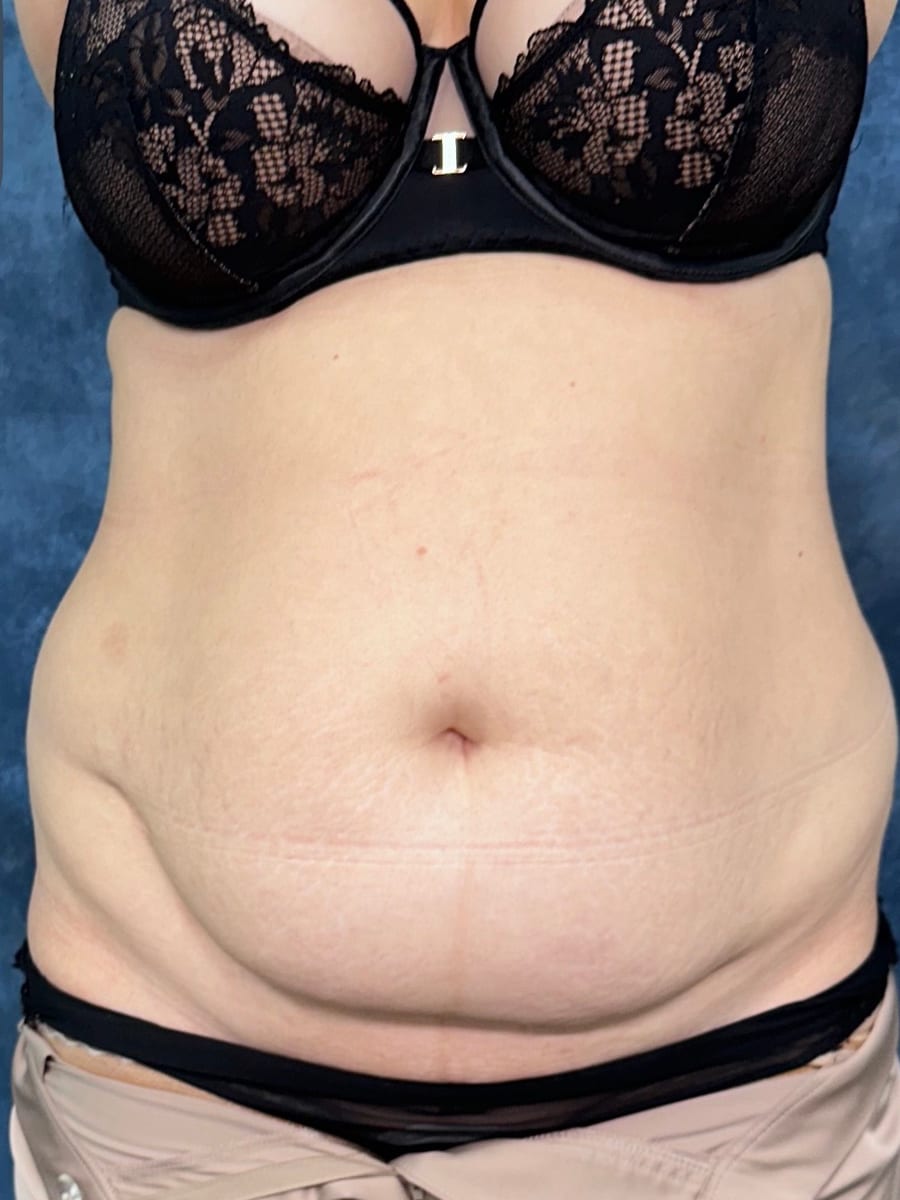
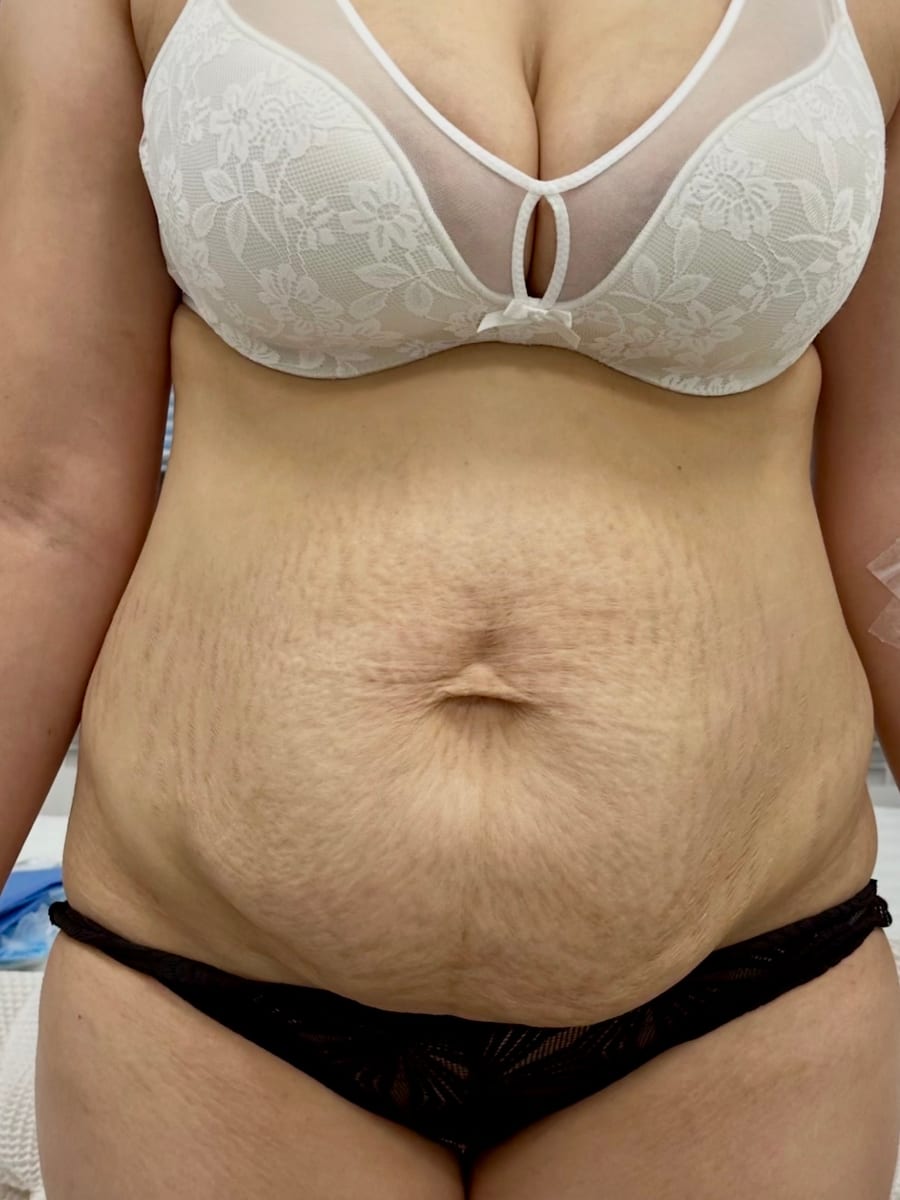
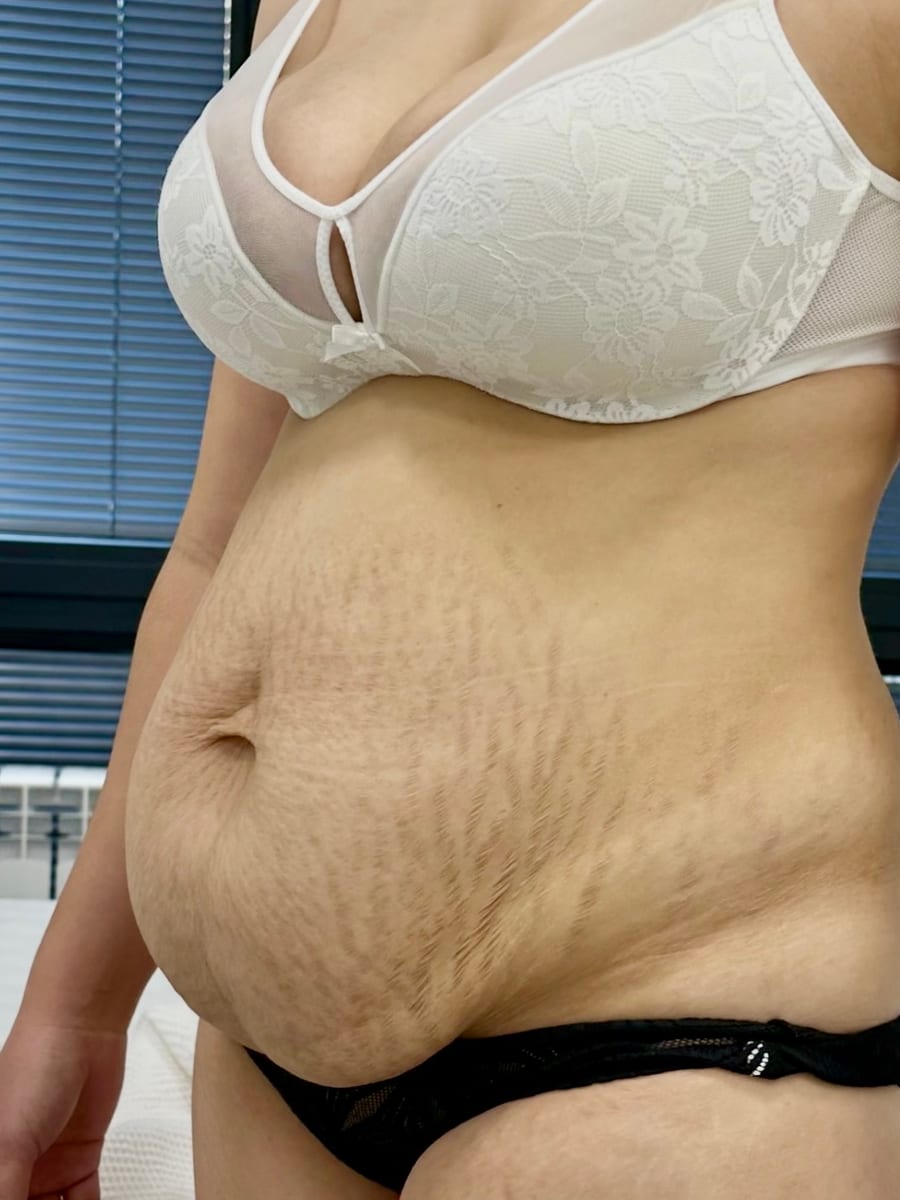
Abdominoplasty, or a tummy tuck, is a plastic surgery procedure that restores a flat, toned abdomen. It removes excess skin and fat, sutures the diastasis (separation) of the rectus abdominis muscles, and eliminates a sagging skin fold, or an "apron." The operation is indicated for post-pregnancy stretch marks, localized fat deposits, excess skin folds and diastasis, as well as skin laxity after significant weight loss. A distinction is made between full abdominoplasty and the smaller-scope mini-abdominoplasty.
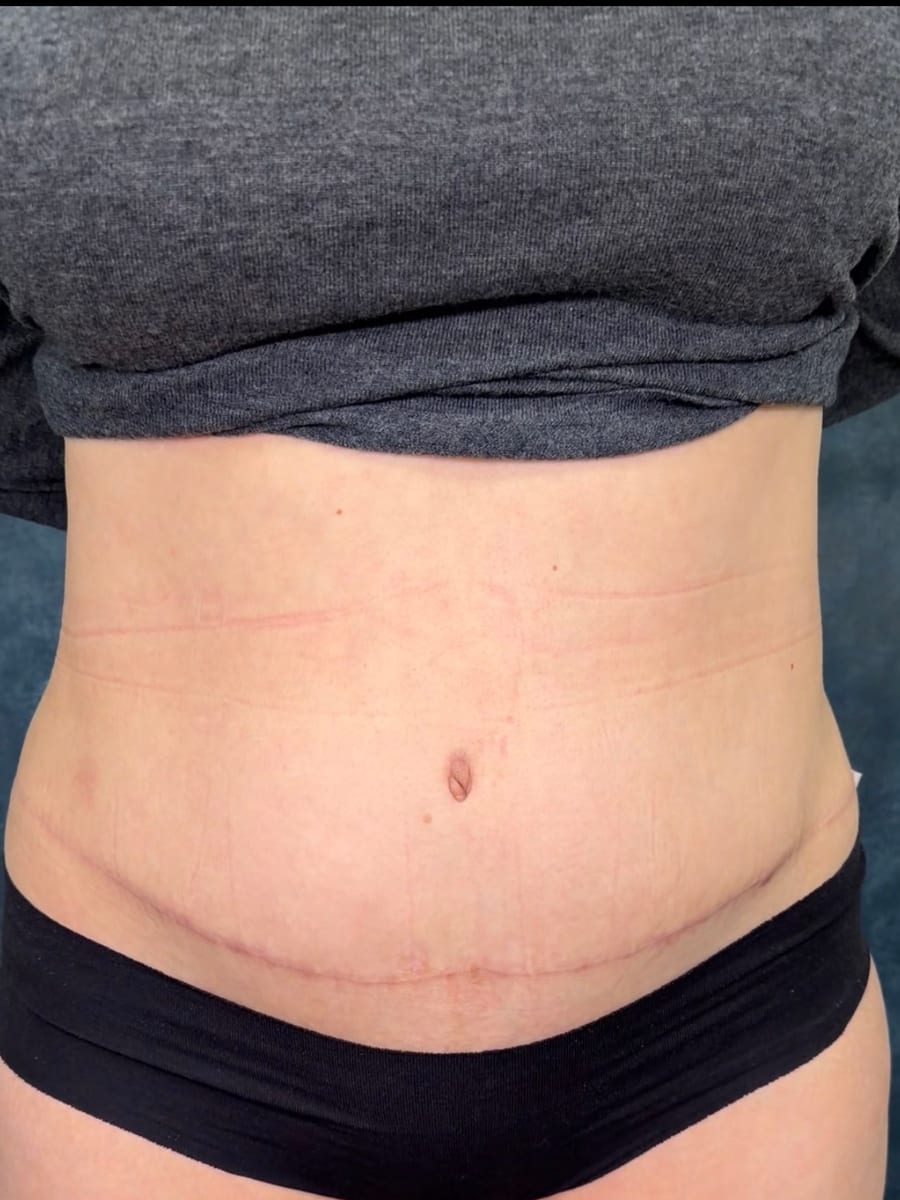
The main incision is made horizontally in the bikini area, so the scar is hidden under clothing and, with a careful technique, barely noticeable. A vertical incision is used when there is a well-developed fat layer along the midline, overstretched tissue, a thick skin fold, or pre-existing scars in the area. Abdominoplasty is often combined with liposuction for better waist contouring.
The operation takes 2–4 hours, the hospital stay is 2–3 days, and the compression garment is worn for 2–3 months. The price starts from 1,000,000 ₸ (mini-abdominoplasty). The type of anesthesia is determined at the consultation.
Who it suits and when to wait
- Post-pregnancy stretch marks on the abdominal skin
- Localized fat deposits on the anterior abdominal wall
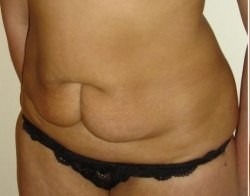
- Excess skin folds — an "apron" of skin
- Diastasis (separation) of the rectus abdominis muscles
- Skin laxity after significant weight loss
- Scar deformities in the abdominal area
- Pregnancy or plans to become pregnant in the near future
- Blood clotting disorders
- Acute infectious and inflammatory conditions
- Severe chronic diseases in an active flare-up
- Decompensated diabetes mellitus
- Marked obesity (requires prior weight loss)
How it works in practice
Marking and incision
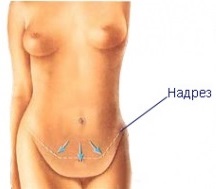
The surgeon marks the line of the future scar in the bikini area and makes the incision, through which excess skin and fatty tissue are excised.
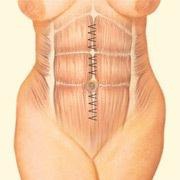
Correcting the muscle diastasis
When the rectus abdominis muscles are separated, the surgeon sutures the musculo-aponeurotic layer, restoring the abdominal muscles to their anatomically correct position.
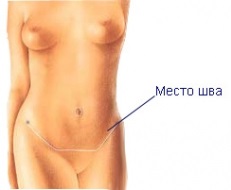
Shaping the scar
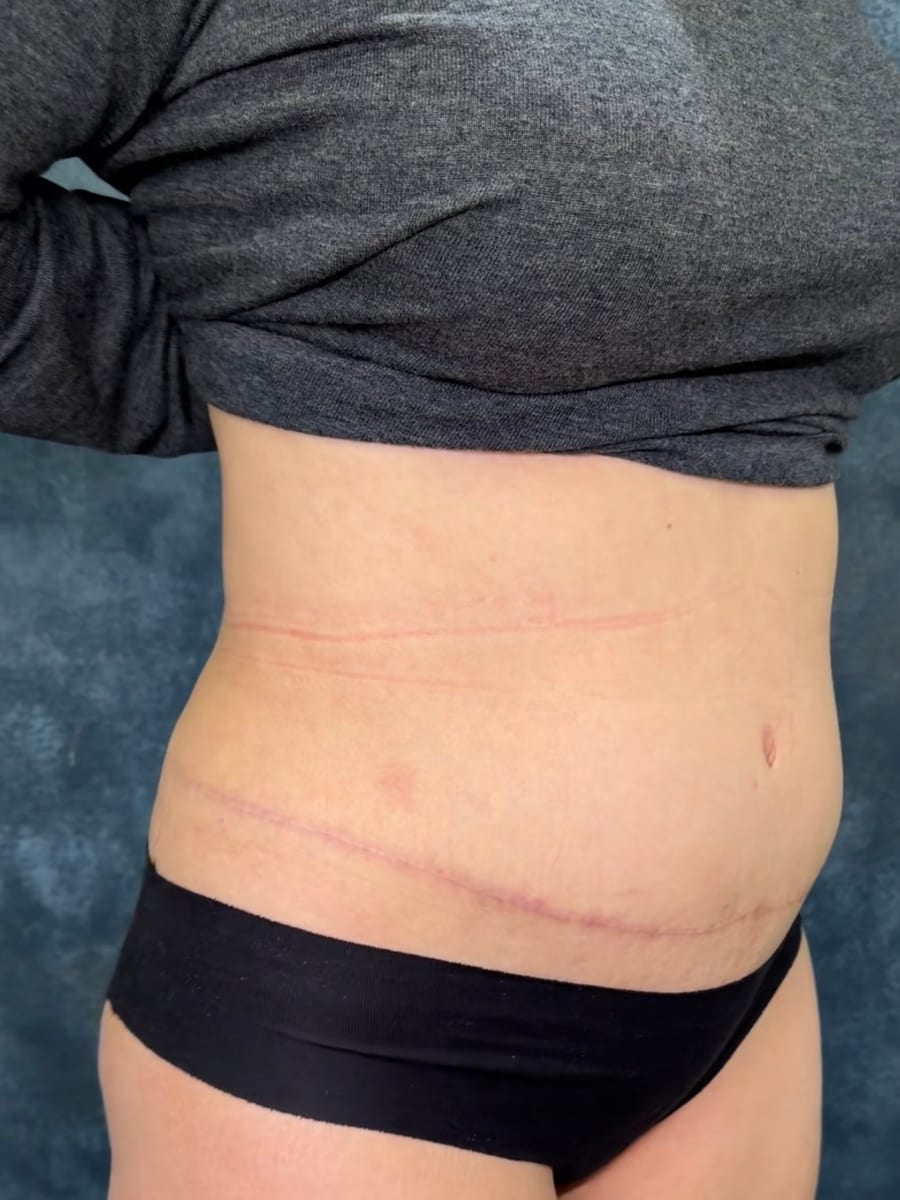
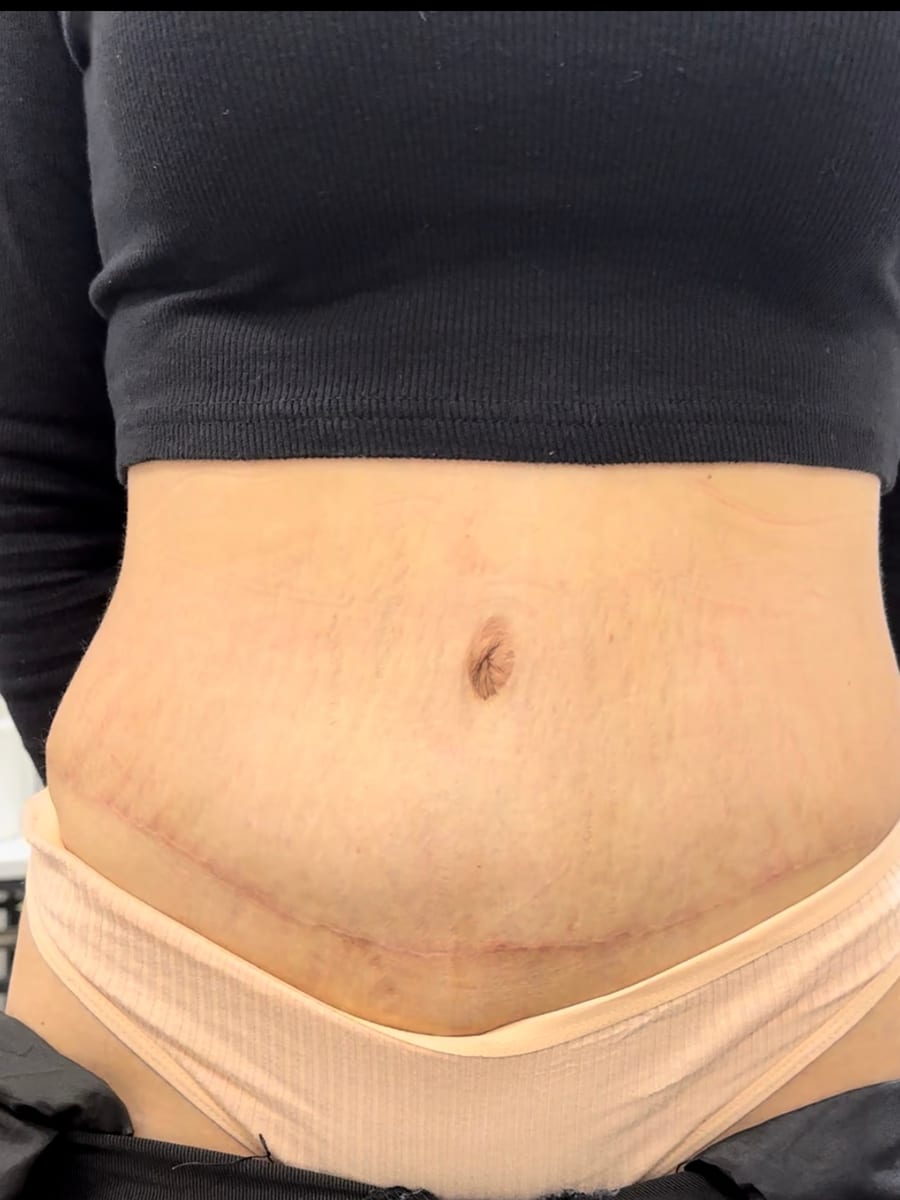
The incision is placed low, in the bikini area, along a natural crease — with careful healing it remains practically invisible under clothing.
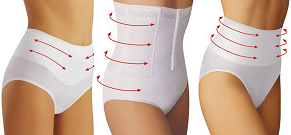
Compression garment
The compression garment is worn for 2–3 months after surgery — it supports the tissues, reduces swelling, and helps the skin contract evenly to the new contour.
From consultation to result
Consultation and marking
The surgeon assesses the condition of the skin, fat layer and muscles, determines the extent of surgery (full or mini) and draws the surgical markings.
Preparation and anesthesia
A pre-operative examination is carried out; the type of anesthesia is determined individually before surgery.
Surgical access
A horizontal incision is made in the bikini area; if the fat layer is well developed or scars are already present, a vertical incision is used instead.
Tissue correction
Excess skin and fat are removed and the muscle diastasis is sutured; liposuction may be added to refine the waist contour if needed.
Navel repositioning and closure
The navel is repositioned into its natural location, sutures are placed, and a compression garment is fitted.
How recovery unfolds
Procedure pricing
The exact cost is set at the consultation after an examination and depends on the scope of the procedure.
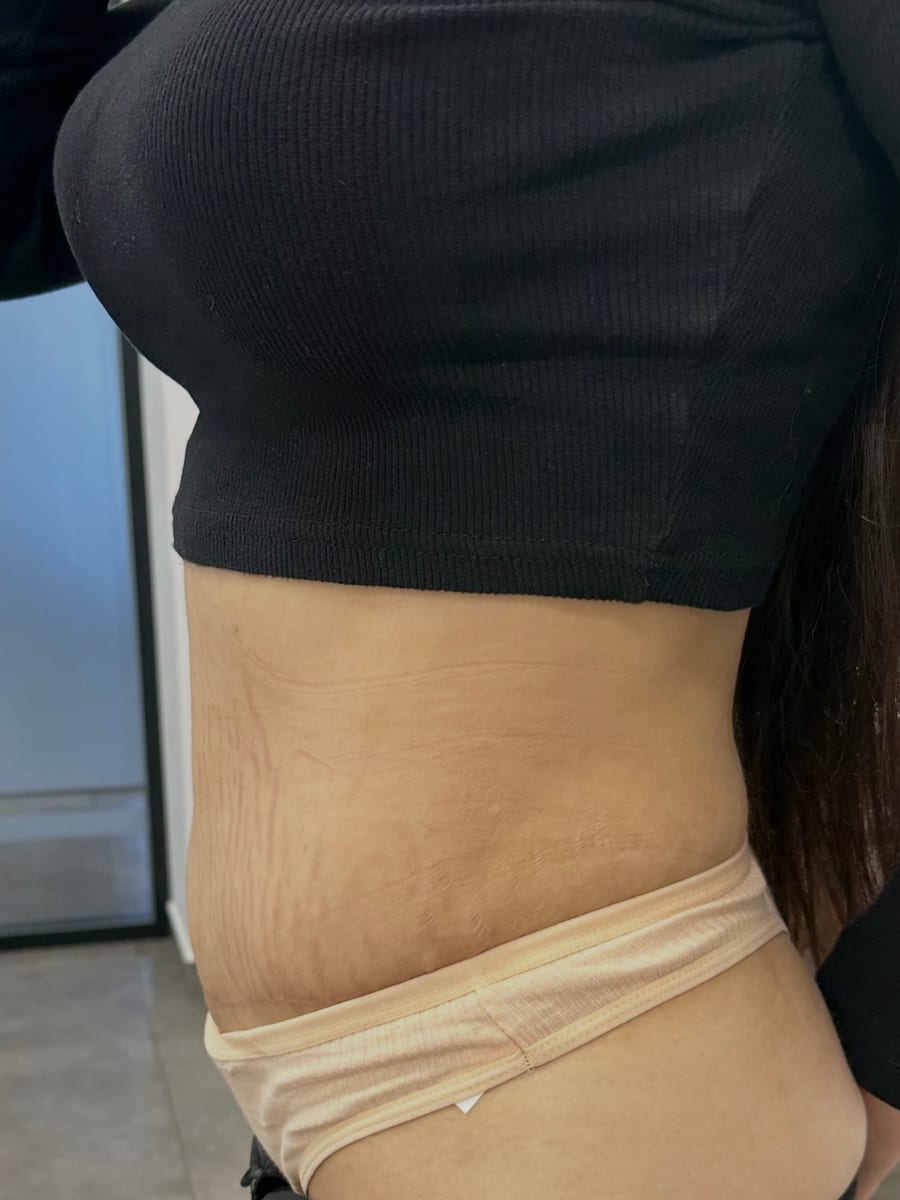
Results — Abdominoplasty
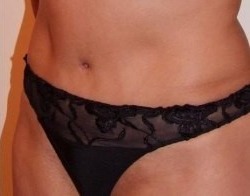
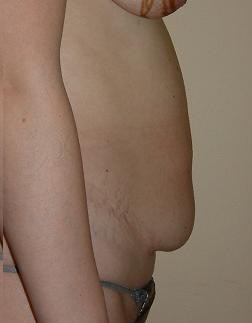
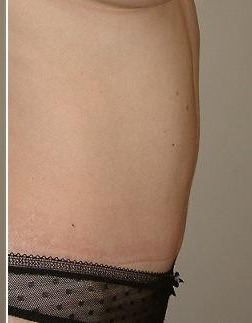
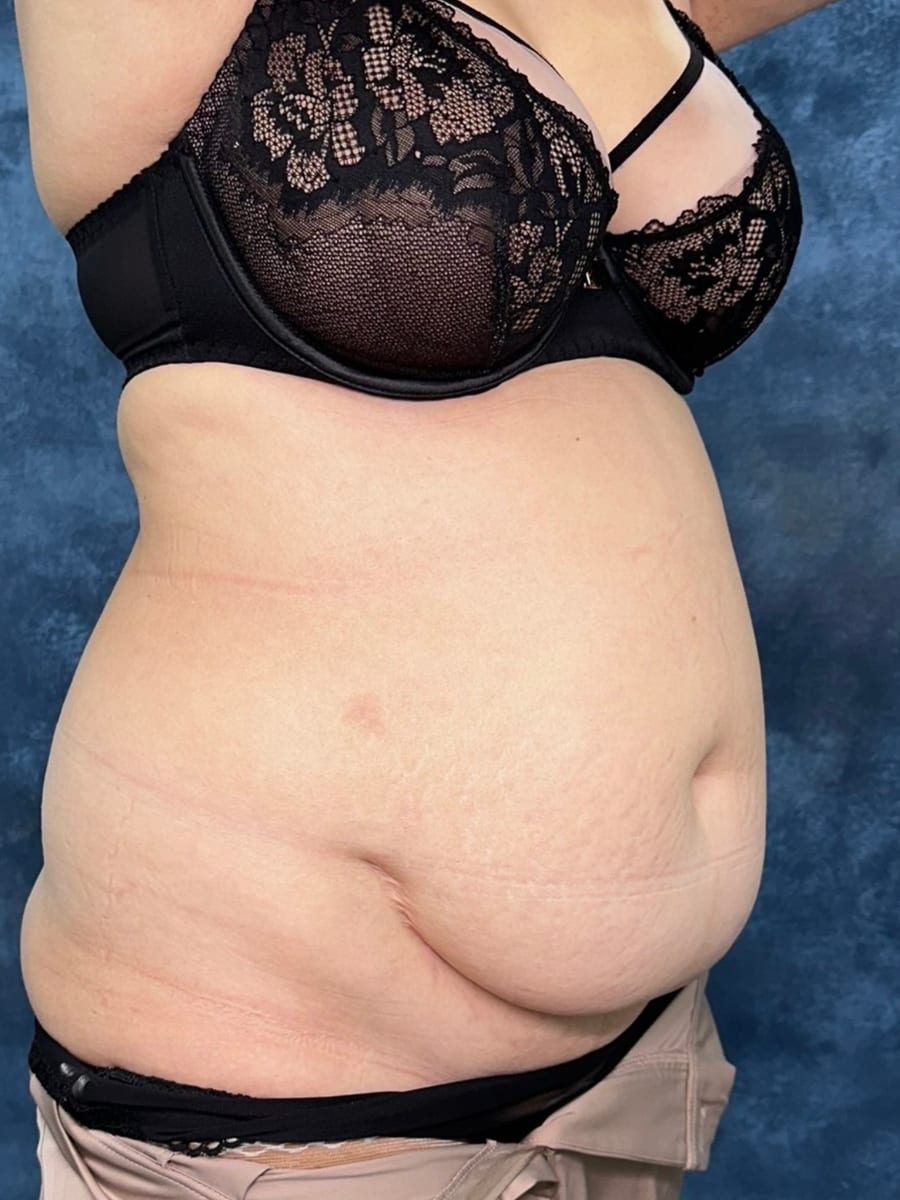
FAQ about Abdominoplasty
Full abdominoplasty covers the entire anterior abdominal wall: excess skin and fat above and below the navel are removed, the diastasis is sutured, and the navel is repositioned. Mini-abdominoplasty is a smaller-scope procedure limited to the area below the navel, without repositioning the navel. The choice depends on the amount of excess tissue and whether diastasis is present.
Diastasis is a separation of the rectus abdominis muscles, often occurring after pregnancy. It causes the abdomen to bulge even without excess weight. During abdominoplasty the muscles are sutured together, restoring the abdominal wall and a flat contour. This is a key step in correcting post-pregnancy changes.
A vertical incision is used when there is a well-developed fat layer along the midline, significantly overstretched tissue, a thick skin fold, or pre-existing scars in the area. In other cases a horizontal incision in the bikini area is used, which is less visible.
With the standard technique, the horizontal scar sits low, in the bikini area, and is hidden by underwear or a swimsuit. Over time it fades and becomes barely noticeable. A careful suturing technique and proper scar care help produce a fine scar.
Yes, abdominoplasty is often combined with liposuction — this not only removes excess skin and sutures the muscles but also improves the contour of the waist and flanks. The surgeon determines the feasibility and scope of a combined procedure at the consultation, based on the condition of the tissues.
The compression garment is usually worn for 2–3 months. It supports the tissues, reduces swelling, and helps the skin properly conform to the new shape of the abdomen. The surgeon specifies the exact duration and wearing schedule in individual post-operative recommendations.
Most patients return to non-physical work within 2–3 weeks, once the main discomfort has subsided and the sutures are removed. Work involving physical exertion requires more time. The exact timeframe depends on the extent of surgery and the speed of recovery.
Light activity is allowed gradually, while full workouts and loading the abdominal muscles are permitted no earlier than 2–3 months, and only with the doctor's approval. Early loading interferes with the healing of the sutured muscles, so it is important to strictly follow the timelines.
Abdominoplasty is recommended once you have finished planning pregnancies. A subsequent pregnancy can stretch the sutured muscles and skin and undo the result. If a pregnancy is planned, the operation is usually postponed until after it.
Stretch marks located on the skin that is removed (below the navel) are removed along with it. Stretch marks above the navel may partially shift downward and become less noticeable, but the operation cannot always remove all stretch marks completely. A realistic outcome is discussed at the consultation.
In the first days it is recommended to move and sleep in a slightly bent position to reduce tension on the sutures. A semi-reclined position with a pillow under the knees is typically used. This reduces pain and supports healing. Sudden movements and standing fully upright are restricted at first.
Abdominoplasty takes 2–4 hours depending on the extent of surgery. A 2–3 day hospital stay under observation is required afterward. This is important for monitoring the condition in the first days, when observation matters most for a safe recovery.
The result of abdominoplasty is stable as long as a stable weight is maintained. Significant weight gain or a new pregnancy can worsen the result. Healthy eating and moderate activity help preserve a flat abdomen for the long term after surgery.
In full abdominoplasty the navel is repositioned into its natural location, since the skin around it shifts significantly. In mini-abdominoplasty repositioning is usually not needed. The navel is shaped carefully so it looks natural once healed.
There is no pain during the operation thanks to anesthesia. In the first days you may feel tightness and discomfort, especially when moving — these are managed with prescribed medication. The discomfort gradually decreases, and movement becomes easier each day.
In the first days you should not lift heavy objects, straighten up abruptly, tense your abdominal muscles, or exercise. It is important to limit activity, wear the compression garment, and follow the regimen. This reduces tension on the sutures and speeds recovery. Detailed restrictions are given individually by the doctor.
In cases of marked obesity, abdominoplasty is usually recommended after weight loss — this improves safety and the quality of the result. The operation is not a weight-loss method: it removes excess skin and corrects the muscles rather than replacing weight reduction. The approach is determined at the examination.
A preliminary result is visible right away, but the abdomen remains swollen for the first few weeks. The main swelling subsides within 1–2 months, and the final result takes shape by 3–6 months, once the tissues have fully healed and the scar has faded. The compression garment speeds up this process.
Important note on medical information
- The procedure descriptions, recovery times and prices on this page are for reference only and do not replace a consultation with a doctor.
- Every operation has contraindications. Whether surgery is possible, and by which technique and to what extent, is decided only at an in-person examination.
- Results and recovery times vary from person to person. The photographs show the results of specific patients and are not a promise of the same outcome.
Written by Vladimir Khegay, plastic surgeon, specializing since 2013. Education and experience · updated July 29, 2026
Book Abdominoplasty
Leave your contacts — we'll call you back within the business day, answer your questions and find a convenient time for your consultation.
By clicking the button, you agree to the privacy policy. The procedure is already selected — Abdominoplasty.